The Mountain You Could Never Climb | Sinai, Exodus 19-24
The Mountain You Could Never Climb -
Two million promised to keep the covenant at Sinai and broke it in weeks. That was the point. What Exodus 19-24 reveals about grace, blood, and rest.
There's a mountain in your life you keep trying to climb, and you never reach the top.
You know the rules. You know what good looks like. And somewhere along the way you made a promise, maybe out loud, maybe just to yourself in the dark, that this time you'd finally do it. Keep it all. Get it right. Become the person you're supposed to be. If you're tired tonight, bone tired, from a lifetime of climbing and never arriving, this week at Sinai has something to say to you that you may have been afraid to hear.
Because this week, two million people stood at the foot of a real mountain and made that exact promise. In one voice they said, "all that the LORD has said, we will do." They weren't lying. They meant every word. And they broke it within weeks, at the foot of the same mountain. And that failure isn't the tragedy of the story. It's the point of it.
Grace came down before a single command went up
Before God asked Israel for anything at Sinai, He reminded them what He'd already done: "you've seen how I bore you on eagles' wings and brought you to Myself." Before He spoke the first of the Ten Words, He said, "I am the LORD your God who brought you out of the house of bondage." Rescue first. Always. The commands come to a people already carried out of Egypt, never to a people trying to earn their way out.
That reverses the thing most of us quietly believe. We treat obedience as the price of God's love. Sinai puts it the other way around. He loved them first, carried them first, rescued them first, and only then gave them the shape of life that fit a rescued people. If you've been climbing to earn something you already have, this is where you can finally stop.
The law was a mirror, and mirrors don't wash
When God spoke the tenth Word, "do not covet," the people backed away and begged Him to stop. And that reaction matters more than we usually notice. The tenth Word is unlike the other nine, because it's the only one nobody can see. Murder shows. Theft shows. Coveting happens in a heart no one can inspect. The moment the law reached past their hands and into their hearts, they knew they were undone.
That wasn't the law failing. That was the law working. A mirror is supposed to show you the dirt. It was never able to wash it off. The fear that drove the people back was the law doing its true job, bringing them to the end of themselves so they'd start looking for a mediator instead of a ladder.
Holiness came down into the ordinary
Then something you'd never expect. Right after the fire and the glory, God starts legislating oxen. Uncovered pits. A fire that spreads into a neighbor's field. A poor man's only cloak. And the very first law He hands a nation of former slaves is a law of freedom: release your servant in the seventh year. You will never do to anyone what Egypt did to you.
The holiness that shook the summit refused to stay on the summit. It came down and moved into the field, because God won't let us split the sacred from the ordinary. How you handle your neighbor's wandering ox is the same holiness as how you worship. And it bent low, with startling tenderness, toward the widow, the orphan, and the stranger, the people with no one to stand for them. "If they cry out to Me," God said, "I will surely hear their cry." The God who heard slaves groaning in Egypt was building a people who would hear the same way.
The blood, and the table
Everything came to a head on the last day of the week, in Exodus 24. The ancient world had a form for the way a great king bound himself to a people, and Exodus 19 through 24 is built on that very form: the king rehearses his rescue, sets the terms, and then ratifies the whole thing in a solemn ceremony sealed with blood. What you've been reading all week isn't a rulebook. It's a covenant document. And you don't seal a rulebook in blood. You seal a covenant in blood.
So Moses takes the blood and divides it, half against the altar that stands for God, half sprinkled on the people. One blood. Two parties. The same life splashed on both sides of the relationship. "Behold," he says, "the blood of the covenant." And notice what binds them. Not their obedience. The blood.
Then the most staggering detail in the chapter. After the blood, the elders climb the mountain, and they see God, and they eat and drink. A meal, in the presence of the God whose mountain days earlier would have killed them to touch. What changed between the fence and the feast? The blood. The blood turned a mountain you'd die to touch into a table you're invited to sit at.
Where the mountain was always pointing
Every piece of Sinai was pointing at Yeshua. The people promised to keep the covenant and could not, and He stood in their place and kept every word of it. And the blood, "the blood of the covenant," those are the exact words He reached back and picked up in an upper room, fifteen hundred years later, lifting the cup and saying, "this is My blood of the covenant, poured out for many." He wasn't inventing an image. He was standing at Sinai and finishing it.
The blood at Sinai bound the people to a covenant they would break. His blood binds us to a covenant He has already kept forever. The old covenant said do this and live. The new covenant says it is done, therefore live.
So stop climbing
Here's the honest question. It isn't whether you can climb the mountain. You can't, and you were never able to, and neither was anyone else. The question is whether you'll finally stop trying to climb it in your own strength and come stand under the blood of the One who climbed it for you.
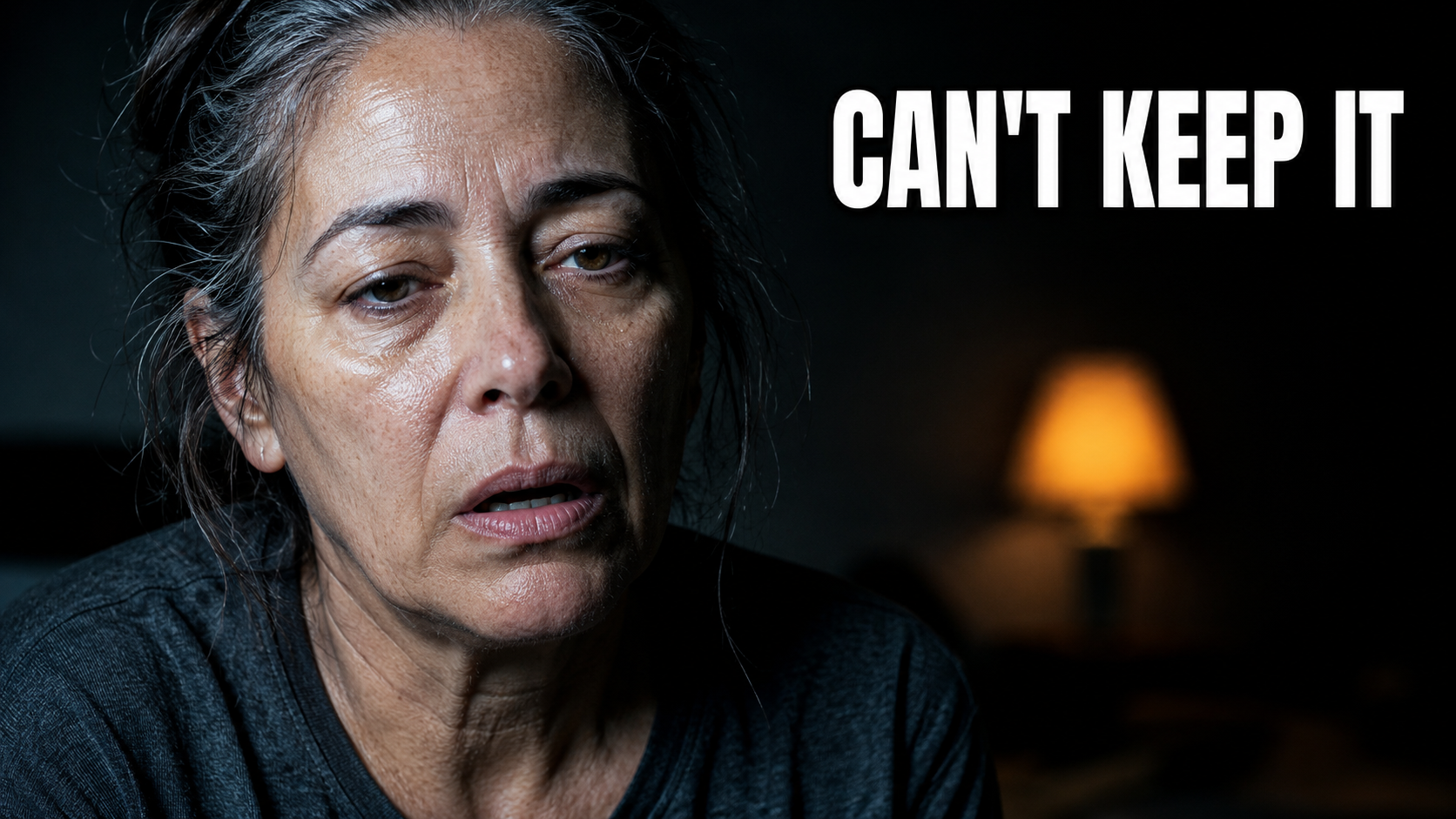
Name the mountain you keep trying to climb. Admit, out loud, that you can't keep it. And this week, take the bread and the cup, and say it plainly: this covenant was kept for me, and sealed in His blood, not mine. Then walk out and live like someone who's already been carried up on eagles' wings. Because you have been.
The covenant was never sealed in your blood. It was sealed in His.
© 2026 Dr. Shawn M. Greener. All Rights Reserved.
STUDY GUIDE
Study Guide: The Mountain You Could Never Climb
Days 75-79 | Exodus 19-24 | The Covenant at Sinai
I. The Passage in Movement
- Exodus 19 - Arrival at Sinai; the eagles' wings preamble (19:4); the segullah offer and "kingdom of priests" (19:5-6); theophany and the trembling of the people (19:16-19).
- Exodus 20 - The Ten Words (aseret ha-devarim), spoken by God directly to the whole nation; the people's fear and request for a mediator (20:18-19).
- Exodus 21-22 - The Book of the Covenant begins; case law opening with the release of the Hebrew servant (21:2); the lex talionis as limit, not license (21:23-25).
- Exodus 22-23 - Protections for the stranger, widow, orphan, and poor (22:21-27); "I will surely hear their cry" (22:23); the returned enemy's ox (23:4-5); the promised Angel in whom God's name dwells (23:20-21).
- Exodus 24 - Covenant ratification; na'aseh v'nishma (24:7); the blood divided between altar and people (24:6-8); the elders behold God and eat and drink (24:9-11); Moses ascends into the kavod for forty days (24:15-18).
II. Key Hebrew Terms
- segullah (סְגֻלָּה), "treasured possession" - Exodus 19:5. A king's personal treasure, distinct from crown property. Israel as God's own cherished possession among the nations.
- aseret ha-devarim (עֲשֶׂרֶת הַדְּבָרִים), "the Ten Words" - the term Scripture itself uses (Exod 34:28), not "Ten Commandments." "Words" frames them as covenant terms, not a detached legal code.
- na'aseh v'nishma (נַעֲשֶׂה וְנִשְׁמָע), "we will do and we will hear" - Exodus 24:7. Obedience affirmed before full understanding; a paradigm of emunah.
- emunah (אֱמוּנָה), "faith, faithfulness, steadfast trust" - the posture beneath na'aseh v'nishma.
- dam ha-brit (דַּם הַבְּרִית), "the blood of the covenant" - Exodus 24:8; picked up verbatim by Yeshua (Matt 26:28; Mark 14:24).
- kavod (כָּבוֹד), "glory, weight" - the presence Moses enters on the mountain (24:16-17).
III. Theological Center: Covenant Structure and Blood
The literary shape of Exodus 19-24 reflects the Ancient Near Eastern covenant form (historical prologue, stipulations, ratification), which reframes the material as a covenant document rather than a legal code.[^1] Israel's affirmation in 24:7 places doing before hearing, a sequence long noted in Jewish tradition as an act of trust preceding comprehension.[^2] The ratification ritual divides the blood between altar and people, binding both parties in one life; the covenant meal of 24:9-11 signals restored communion made possible by that blood.[^3]
IV. Yeshua Central
- The Angel "in whom is My name" (Exod 23:20-21) as a canonical anticipation of the One in whom the fullness of God dwells (cf. Col 2:9).
- Yeshua as the covenant-keeper who fulfills what Israel affirmed but could not sustain (cf. Matt 5:17).
- "The blood of the covenant" (Exod 24:8) deliberately echoed at the Last Supper (Matt 26:28; Mark 14:24), establishing the new covenant (cf. Jer 31:31-34; Heb 9:18-22).
V. The Five Threads (Discussion)
- Grace before law. Where in Exodus 19-20 does rescue precede command, and how does that reorder our assumptions about obedience and acceptance?
- The law as mirror. Why does the tenth Word (coveting) provoke the people's fear, and what does a mirror reveal that it cannot repair?
- Holiness into the ordinary. What does the move from theophany (ch. 19-20) to case law (ch. 21-23) say about the relationship between worship and everyday ethics?
- God's bias toward the defenseless. How does the Book of the Covenant protect the vulnerable while still refusing to pervert justice (23:2-3, 6-8)?
- The unkeepable covenant. If Israel's sincere promise could not secure the covenant, what did, and how does that reframe assurance for the believer today?
VI. Application Questions
- Name the specific "mountain" you keep trying to climb in your own strength. What would it look like to lay it down this week?
- Where have you treated obedience as the price of God's love rather than the response to it?
- How does the blood divided at the altar and the people (24:6-8) reshape the way you understand your security before God?
VII. Select Bibliography
Alter, Robert. The Five Books of Moses: A Translation with Commentary. New York: W. W. Norton, 2004.
Heiser, Michael S. The Unseen Realm: Recovering the Supernatural Worldview of the Bible. Bellingham, WA: Lexham Press, 2015.
Rubin, Barry, ed. The Complete Jewish Study Bible. Peabody, MA: Hendrickson Publishers, 2016.
Sarna, Nahum M. Exodus. The JPS Torah Commentary. Philadelphia: Jewish Publication Society, 1991.
Walton, John H. Ancient Near Eastern Thought and the Old Testament: Introducing the Conceptual World of the Hebrew Bible. Grand Rapids: Baker Academic, 2006.
Wenham, Gordon J. Exploring the Old Testament, Volume 1: The Pentateuch. Downers Grove, IL: InterVarsity Press, 2003.
[^1]: On the Ancient Near Eastern covenant/treaty background of the Sinai material, see Walton, Ancient Near Eastern Thought and the Old Testament, on covenant and law. Confirm specific pages against your edition.
[^2]: On na'aseh v'nishma (Exod 24:7) and the priority of doing before hearing, see Sarna, Exodus, at 24:7; the theme is also developed in Jewish tradition (b. Shabbat 88a).
[^3]: On the ratification ritual and the division of the blood (Exod 24:6-8) and the covenant meal (24:9-11), see Sarna, Exodus, at 24:1-11.
© 2026 Dr. Shawn M. Greener. All Rights Reserved.
Sinai, Mount Sinai, Exodus 19, Exodus 20, Exodus 24, Ten Words, Ten Commandments, covenant, blood of the covenant, grace before law, Hebraic worldview, Ancient Near Eastern context, Yeshua, new covenant, biblical shalom, chronological Bible, Dr. Shawn Greener, True Word Faith for LIFE
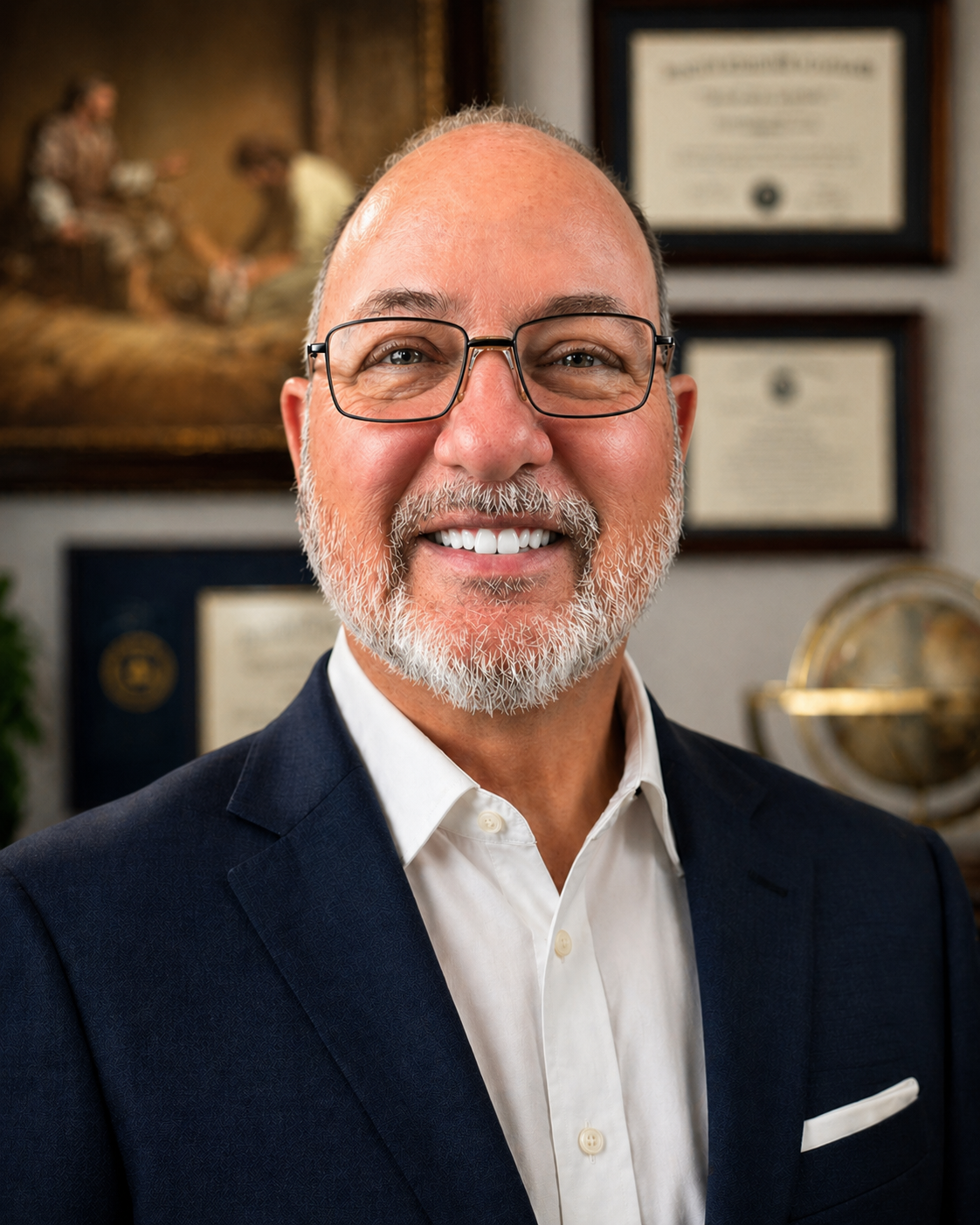
Author / Host / Theologian/Ret. SlamDancer
I am just a beggar who found Bread, helping other hungry beggars to find Him too. My life has certainly been complex and I and my halo has many dents. Heschel said; "Something Sacred hangs in the balance of every moment." I live like it. I teach like it.
As a person who survived a fatal 92 mph vs 51 mph head on crash, after dying and re-animating, and surviving several other brushes with death, my perspective is, let's say, unique. I haven't always been a theologian and I'm living REAL life, just like you... I have my hurts, habits and hangups too.
I've learned a few very important things along the way that I'm confident you'll find useful... butter for the Gluten free Bread so to speak.. Oh, you may chuckle or full on snort along the way, but you might also shed a few tears... Faith for LIFE... That's how it happens.
