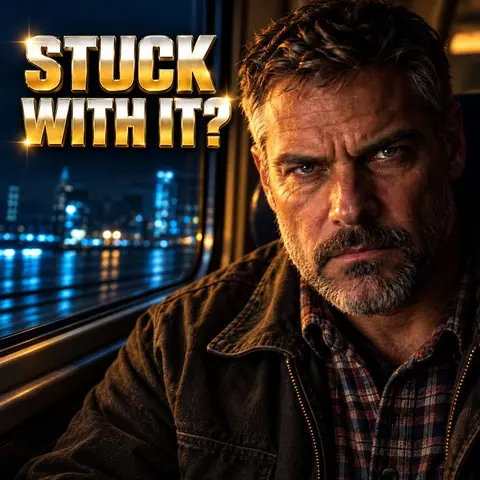
What to Do When You Make a Bad Decision and Feel Stuck With It
When you rush into a major commitment without asking God first, you might find yourself trapped by the consequences. Examining the biblical story of the Gibeonite deception reveals how to handle regret, maintain integrity when bound by a hasty choice, and discover how God can meet you in the middle of your mess.
Key Takeaways
- Discover why careful people often make careless decisions after experiencing major victories.
- Understand the ancient Near Eastern context behind the Gibeonite deception and how it mirrors modern scams.
- Learn the spiritual danger of checking the physical evidence while forgetting to ask the mouth of the Lord.
- Explore how keeping your word, even on a bad agreement, honors God and preserves your integrity.
- See how God can transform a place of past regret into a location of profound spiritual renewal.
The Anatomy of a Hasty Choice: Why We Fail to Ask God
We have all been there. You sign the loan papers, take the job that seemed perfect at the time, or rush into a relationship because saying no felt uncomfortable. Everyone around you agreed it looked right. But when the dust settles, you realize you missed a crucial step: you checked the details, but you never checked with God.
In the ancient Near East, life was turbulent, and the stakes were high. Today, post-modern listeners face a similar barrage of pressure. We are bombarded with convincing stories, polished presentations, and seemingly foolproof opportunities. Whether it is an online scam or a massive life-altering contract, victory and past success often breed a dangerous sense of self-reliance. We start thinking we have got it all figured out, which makes us prime targets for deception.
Checking the Bread vs. Asking the Mouth of the Lord
In Joshua chapter 9, a group of strangers approaches Israel with moldy bread, cracked wineskins, and a convincing story about a long journey. Israel's leaders thoroughly inspect the evidence. They check the bread. They handle the props. But as scripture notes, they did not ask the mouth of the Lord.
The Hebrew root used here for their cunning is urmah—the exact same word used for the serpent in Genesis 3. Deception often looks practical, logical, and safe on the surface. We rely on our own intelligence, physical strength, and administrative competence to make choices. However, faith is not about having the right components to make a clever decision; it is about maintaining a deep, communicative relationship with God.
Integrity and the Cost of Keeping Your Word
Three days after making a binding covenant with the Gibeonites, Israel discovers they were tricked and that these people live right next door. The people grumble, but the leaders realize they swore an oath in the name of the Lord. They cannot simply break their word without severe consequences.
This highlights a vital truth for modern believers: if you signed it, rushed into it, or promised it, God may be calling you to keep faith with it. Not because the decision was wise, but because your word was given. Israel chose not to add a second sin (breaking an oath) to their first sin (failing to pray). Centuries later, history would show how seriously God regards those commitments, yet it also proves that our integrity matters deeply to Him.
Redemption After Regret: Finding God in the Mess
The consequences of a bad decision can feel overwhelming. Yet, the biblical narrative does not end in despair. Years later, that very same location—Gibeon—became a primary site of worship where King Solomon sought the Lord and received divine wisdom. The place born from an unprayed-over mistake became the very place where God invited leaders to ask Him for greatness.
If you are currently stuck living with the fallout of a rushed choice, it is not the end of your story. You can stop adding secondary errors, honor your commitments where appropriate, and turn your mess over to God. He can take your broken circumstances and still use them to grow your faith and advance His kingdom.
Conclusion
Navigating the fallout of a major mistake requires grace, patience, and a renewed commitment to consulting God before every step. You do not have to stay trapped in your regret; God is ready to meet you right where you are. To dive deeper into this topic and learn how to navigate life's difficult crossroads, Listen to the full episode for more biblical insights and practical encouragement.
Frequently Asked Questions
What does the Bible mean by failing to ask the mouth of the Lord?
The Hebrew phrasing points to a physical failure to consult God directly. Israel inspected the physical evidence—the bread and the clothes—but neglected to seek divine guidance through prayer before making a binding agreement.
Should I break a bad promise or contract if I made it without praying?
In the case of Joshua and the Gibeonites, Israel honored their oath because it was made in God's name, demonstrating integrity. While every situation is unique, believers are generally encouraged to keep their word unless doing so involves direct sin, and to seek God's guidance on how to move forward redemptively.
Can God really use a bad decision for good?
Yes. While poor choices carry natural consequences, biblical history shows that God can redeem our mistakes, using even the fallout of our haste to teach us humility, build our character, and draw us back into deeper fellowship with Him.
How can I avoid making hasty decisions in my daily life?
Practice intentional pause. Instead of relying solely on your own logic, surface-level appearances, or outside opinions, commit to bathing your decisions in prayer and aligning your choices with biblical wisdom before signing or committing.