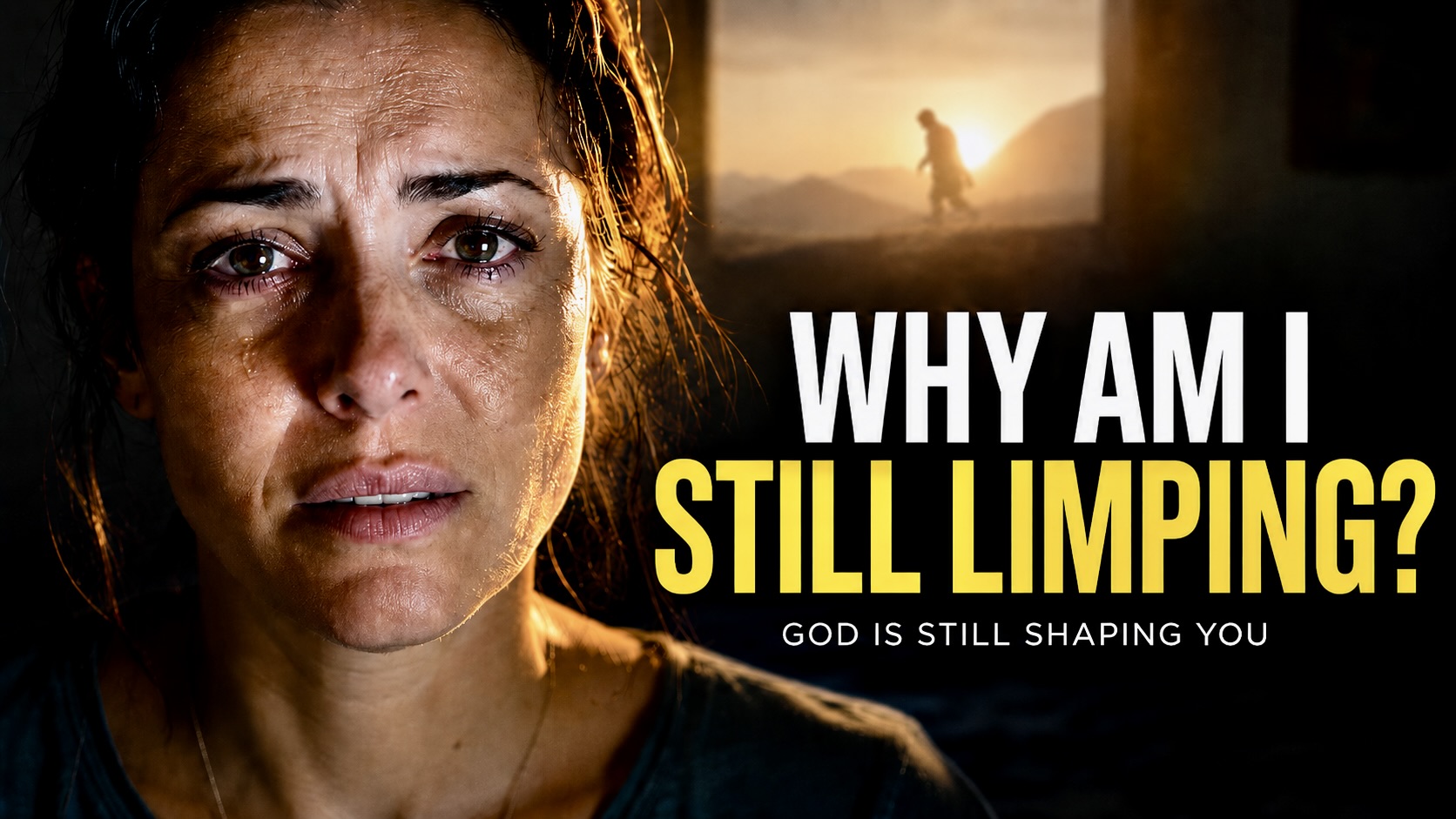
Why Am I STILL Limping?
BLOG POST
Why Am I Still Limping?
Click HERE to WATCH on our YouTube Channel!
The limp may not be proof God abandoned you. It may be proof God met you in the dark.
Why am I still limping?
That question doesn't sound theological at first.
It sounds exhausted.
It sounds like someone who prayed and still hurts.
It sounds like someone who obeyed and still trembles.
It sounds like someone who came back, told the truth, made the call, faced the fear, tried to forgive, tried to move forward, and now wonders why healing still feels so painful.
That is the ache underneath Genesis 32 through 36.
Jacob is going home.
But going home is not simple.
Esau is ahead of him.
Laban is behind him.
God is with him.
And Jacob is still afraid.
That is where the Bible becomes painfully honest.
Jacob isnt a polished religious hero. He's a man with a past, a family, a history of grasping, and consequences he cannot control. He has heard from God. He has seen God’s protection. He is moving in the direction God told him to go.
And still, the text says Jacob was greatly afraid and distressed.
That matters.
The Bible doesn't shame Jacob for feeling fear. It shows us what fear does when it is brought under covenant memory.
Jacob plans. He divides the camp. He sends gifts ahead. He thinks carefully. But then he prays.
His prayer isn't performance. It's covenant appeal.
He says, in essence, “God, You told me to return. You promised to do good to me. I am not worthy of all the mercy and faithfulness You have shown me. Please deliver me.”
That isn't panic without faith.
That is fear brought into the presence of God.
Some of us need to stop pretending we aren't afraid.
You are not facing Esau, but you may be facing the call.
The appointment.
The bill.
The conversation.
The diagnosis.
The child who is drifting.
The marriage that feels brittle.
The apology you owe.
The person you wounded.
The person who wounded you.
The decision you know obedience requires.
Do not let fear become your master.
Name it.
Pray the promise.
Take the next faithful step.
Not the dramatic step.
Not the controlling step.
The faithful step.
Faith does not always feel fearless.
Sometimes faith sounds like this:
“Father, I am afraid, but I am still walking.”
Then comes the night.
Jacob is alone, and a man wrestles with him until daybreak. This scene is mysterious because it is holy. Jacob isn't merely fighting an opponent. Jacob is being confronted by God.
The old Jacob is being touched.
Jacob the grasper.
Jacob the strategist.
Jacob the survivor.
Jacob the man who has spent his life trying to manage outcomes.
And then the man touches Jacob’s hip.
Jacob is wounded.
Jacob is blessed.
Jacob is renamed.
Israel.
In the Ancient Near Eastern world, a name was not a disposable sound. A name could speak of identity, character, calling, reputation, and destiny. So when God changes Jacob’s name, He is not giving Jacob a religious nickname. He is marking a transformed identity.
But notice the order.
God changes Jacob before He changes everything around Jacob.
That is the part we resist.
We want the morning without the wrestling.
We want peace without surrender.
We want blessing without exposure.
We want God to fix the circumstance while we protect the same patterns that keep deforming us.
But God loves His people too much to simply make life more comfortable while the soul remains disordered.
Jacob walks away limping.
That limp isn't failure.
That limp is witness.
It says, “God met me in the dark. He touched what I could not surrender. He blessed me. He wounded my self reliance. He did not let me stay who I was.”
Primary Texts, LEB and CJSB
Genesis 32:31
LEB: “And the sun rose upon him as he passed Penuel, and he was limping because of his hip.”
CJSB: “As the sun rose upon him he went on past P’ni El, limping at the hip.”
Genesis 35:2
LEB: “Put away the foreign gods that are in your midst, and purify yourselves, and change your garments.”
CJSB: “Get rid of the foreign gods that you have with you, purify yourselves, and put on fresh clothes.”
Those two verses hold the week together.
Jacob limps.
Jacob also buries idols.
That is the movement from encounter to obedience.
Genesis 33 gives us Jacob and Esau.
Jacob expects danger. But Esau runs to meet him, embraces him, kisses him, and they weep.
That's mercy.
It is beautiful.
It is unexpected.
But it isn't naive.
Jacob and Esau do not become one household. The embrace is real, but wisdom remains. Jacob receives mercy, but he does not erase history.
That speaks to people carrying family wounds.
Forgiveness is real.
Mercy is real.
Reconciliation may be real.
But forgiveness doesn't always mean handing someone the steering wheel of your life again.
Forgiveness releases vengeance.
It doesn't erase discernment.
Peace does not require pretending there was no damage.
Some of us need to bless the person we resent while still telling the truth about what happened.
Pray for them by name.
Release revenge.
Refuse bitterness.
But don't call confusion holiness.
Do not give unsafe access in the name of being spiritual.
Shalom isn't denial.
Shalom is life rightly ordered under God.
Then Genesis 34 brings us into deep pain.
Dinah is violated.
Simeon and Levi respond with deception and slaughter.
Jacob’s household becomes a place of trauma, rage, silence, and moral chaos.
This is one of the reasons the Bible is so trustworthy. It doesn't sanitize the covenant family. It does not hide the ugly parts. It does not pretend chosen people always act covenantally.
Calling doesn't equal maturity.
Promise doesn't cancel formation.
Pain doesn't automatically produce righteousness.
This chapter speaks to modern families with terrifying clarity.
Some families know exactly what this is.
A wound happens.
Someone stays silent.
Someone overreacts.
Someone underreacts.
Someone hides.
Someone explodes.
Someone uses the wound to justify their own sin.
Genesis 34 doesn't excuse violation.
And it doesn't baptize revenge.
A real wound can become a doorway into real sin.
Don't let pain make you cruel.
Don't let someone else’s evil recruit you into your own.
Tell the truth.
Seek justice rightly.
Protect the vulnerable.
Get help.
Make the call.
Bring the wound into the light.
But don't call vengeance righteousness because rage feels powerful.
Then God calls Jacob back to Bethel.
That turn is mercy.
After fear, wrestling, reconciliation, and family chaos, God says, “Go up to Bethel.”
Bethel was the place where God first met Jacob when he was running. It was the place of the dream, the ladder, the promise, the awe, and the awakening.
But Jacob doesn't return casually.
He tells his household to remove the foreign gods, purify themselves, and change garments.
This isn't vague spirituality.
This is concrete repentance.
Some people want Bethel while keeping the idols.
They want worship while protecting hidden compromise.
They want peace while feeding the thing that keeps disordering the home.
They want God’s presence without surrender.
Jacob knows better.
You don't walk back to Bethel clutching the gods of the old life.
So here are the questions that must not be softened:
What are you still calling private that God is calling an idol?
What are you still calling stress relief that God is calling bondage?
What are you still calling discernment that God is calling bitterness?
What are you still calling friendship that God is calling temptation?
What are you still calling motivation that God is calling comparison?
Bury it.
Delete the contact.
Close the app.
Pour out the bottle.
Move the device out of the room.
Stop the secret conversation.
Tell the truth.
Ask forgiveness.
Cancel the hidden plan.
Name the idol.
Stop defending what is destroying you.
Bury what God told you not to carry.
That isn't legalism.
That is covenant sanity.
Genesis 35 is also full of grief.
Deborah dies.
Rachel dies.
Isaac dies.
This chapter holds worship and burial together.
That's honest.
Sometimes you're walking in the right direction and still burying what hurts.
Rachel names her son Ben Oni, son of my sorrow.
Jacob names him Benjamin, son of the right hand.
Jacob does't deny Rachel’s sorrow. He doesn't pretend death is light. He does not erase grief with religious language.
But he refuses to let sorrow have the final naming authority.
That is a word for wounded people.
Grief will try to name your future.
Failure will try to name your future.
Regret will try to name your future.
Loss will say, “This is all you are now.”
But covenant faith says, “The sorrow is real, but sorrow does not reign.”
Bring the grief into worship.
Not around worship.
Not outside worship.
Into worship.
Say the name.
Cry the tears.
Stop pretending it didn't hurt.
But don't let grief become your god.
Then Genesis 36 gives us Esau’s line.
Many readers skip it because it feels like genealogy.
But Genesis is doing something important.
Esau looks settled.
Jacob looks unfinished.
Esau’s descendants look organized.
Jacob’s household looks messy.
Esau’s line has chiefs, clans, kings, and territory.
Jacob’s line has promise, but also pain.
That is the modern wound.
Why does their life look easier?
Why do they seem ahead?
Why do they look settled while I am still being shaped?
Why does visible success seem to come faster for people who do not seem to carry the same covenant burden?
That question's dangerous because comparison rots the soul quietly.
We live in a world where visible metrics pretend to be destiny.
Views.
Likes.
Money.
House.
Body.
Platform.
Marriage.
Children.
Recognition.
Speed.
Image.
But Genesis 36 confronts the lie.
Visible settlement is not the same as covenant destiny.
Esau’s line matters. The Bible records it with dignity.
But the covenant promise continues through Jacob.
And at this point in the story, Jacob looks slower.
Harder.
Messier.
Less impressive.
Still, God is at work.
Stop rehearsing the comparison.
Mute the account if you need to.
Put the phone down.
Bless the person you envy.
Thank God for what He gave them.
Return to your assignment.
Your obedience isn't measured by how impressive someone else’s life looks.
This is the decision Genesis 32 through 36 puts before us.
You can keep asking God to explain the limp, or you can let the limp become the place where you finally stop running.
You can keep demanding comfort before surrender, or you can obey while your heart still trembles.
You can keep carrying idols toward Bethel, or you can bury what God told you not to carry.
You can keep letting grief name the future, or you can bring grief into worship.
You can keep comparing your unfinished formation to someone else’s visible success, or you can return to your assignment.
The question isn't merely, “Why am I still limping?”
The deeper question is, “Will I keep walking with God even if I limp?”
Biblical shalom is not sentimental calm.
It is ordered life under God.
It is courage with peace.
It is stillness with obedience.
It is Light that changes how a person walks.
Jacob limped into the morning.
But he didn't limp alone.
And neither do you.
Think about this:
What is one thing God is asking you to bury before you keep walking?
Challenge and Choice:
Don't leave this as religious reflection.
Choose one concrete act of obedience today.
Name the fear.
Pray the promise.
Delete the contact.
Close the app.
Tell the truth.
Ask forgiveness.
Bless the person you resent.
Stop rehearsing the comparison.
Bring the grief into worship.
Bury what God told you not to carry.
Then walk.
Even if you limp. Especially if you limp...
May Adonai bless you and keep you.
May Adonai make His face shine upon you and show you His grace.
May Adonai lift up His face toward you and give you shalom.
Shalom b’Shem Yeshua, v’shalom aleichem.
© 2026 Dr. Shawn M. Greener. All Rights Reserved.
True Word, Faith for LIFE!
The Bibles Rebinder I Mentioned on the Podcast
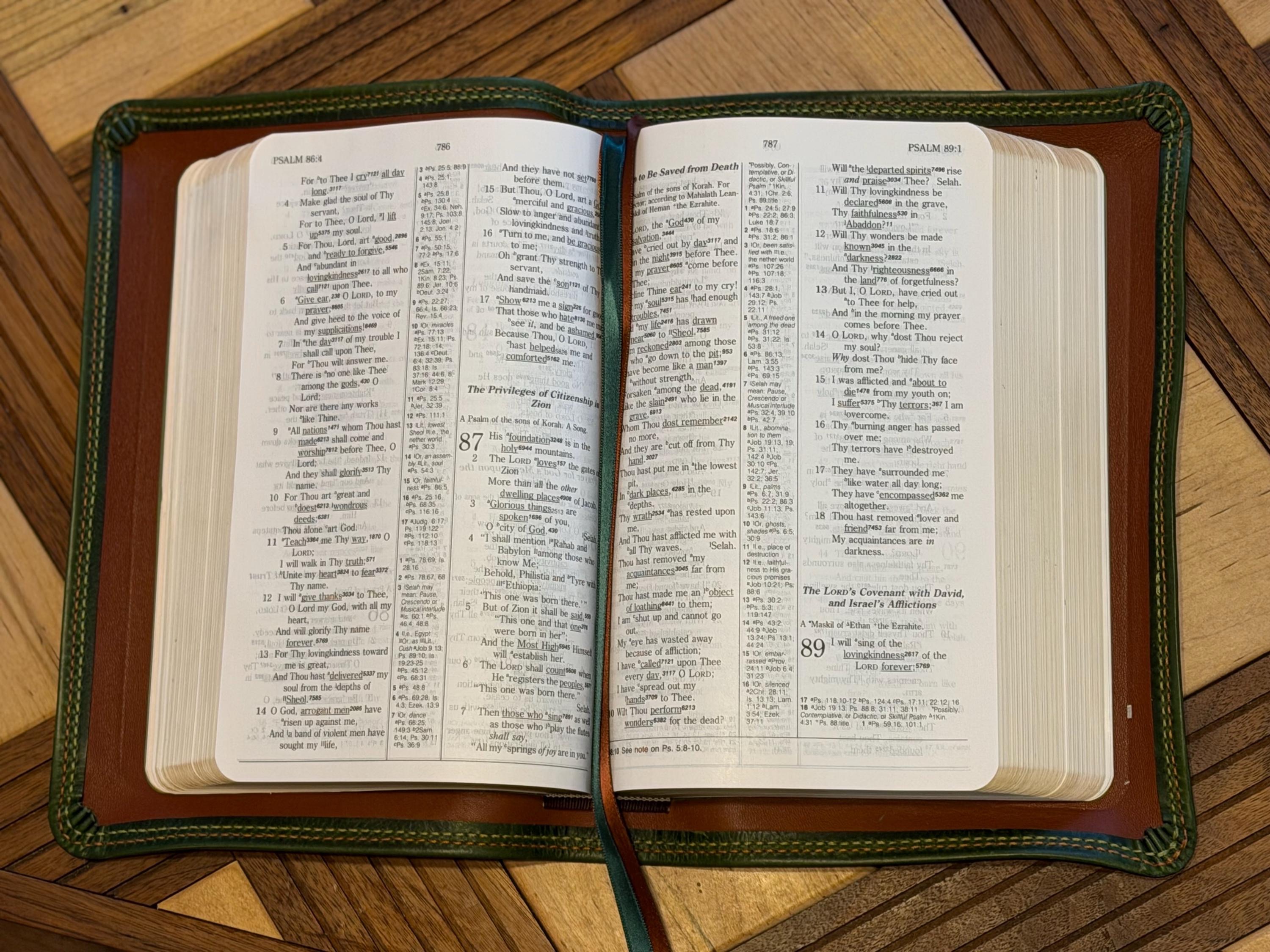
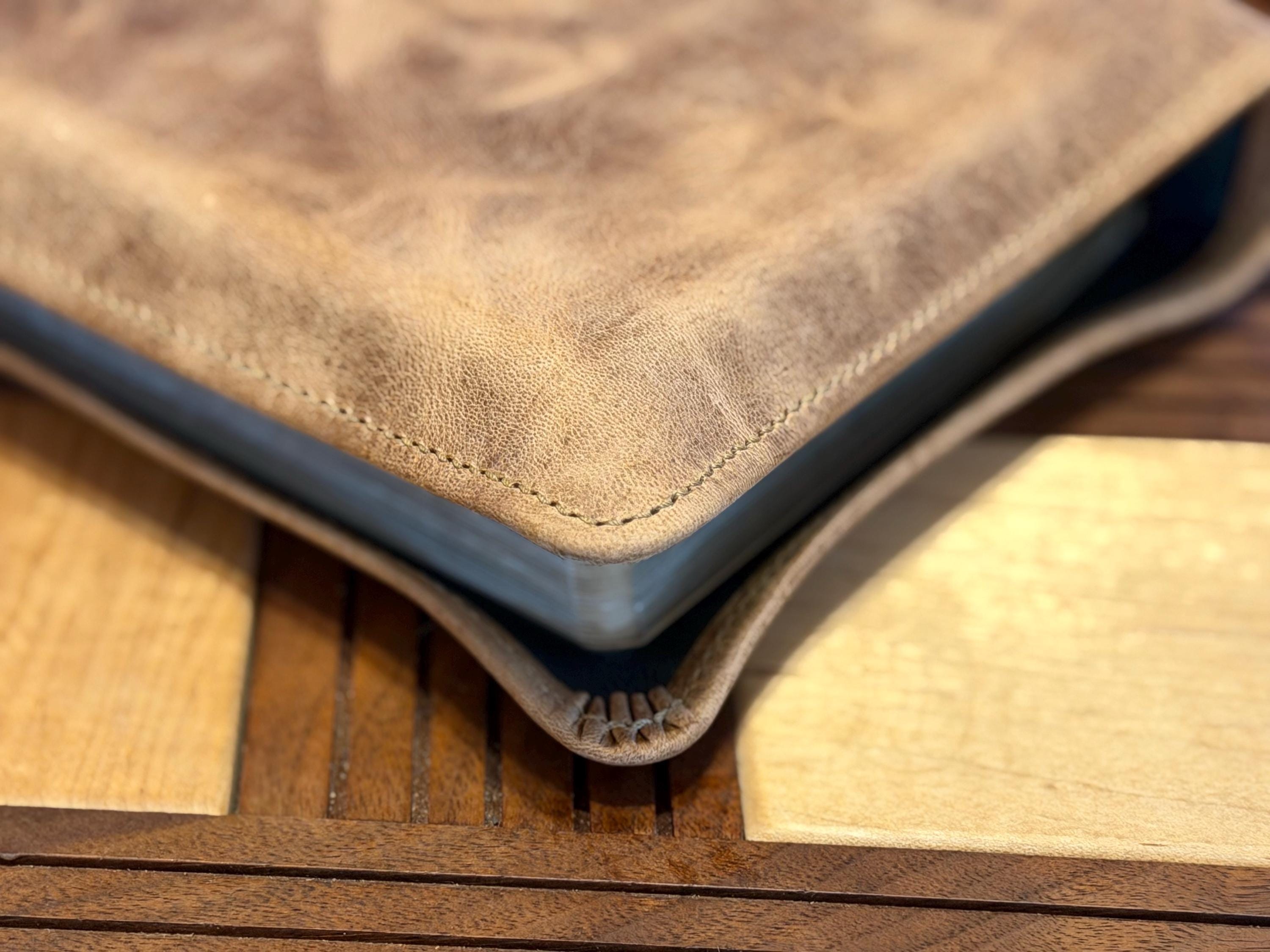
These are just three of the Bibles Melissa of MooseWorks Bible restored for me, beautifully rebound with a rugged new cover and exceptional attention to detail. The three final Bibles which Melissa at MooseWorks Bible is working on are each, one of a kind. Melissa is an artisan... One each of a beautiful and bespoke kind... If you want your Bible to last through generations, to be held in the hands of those whose hands you held... MooseWorks Bible.
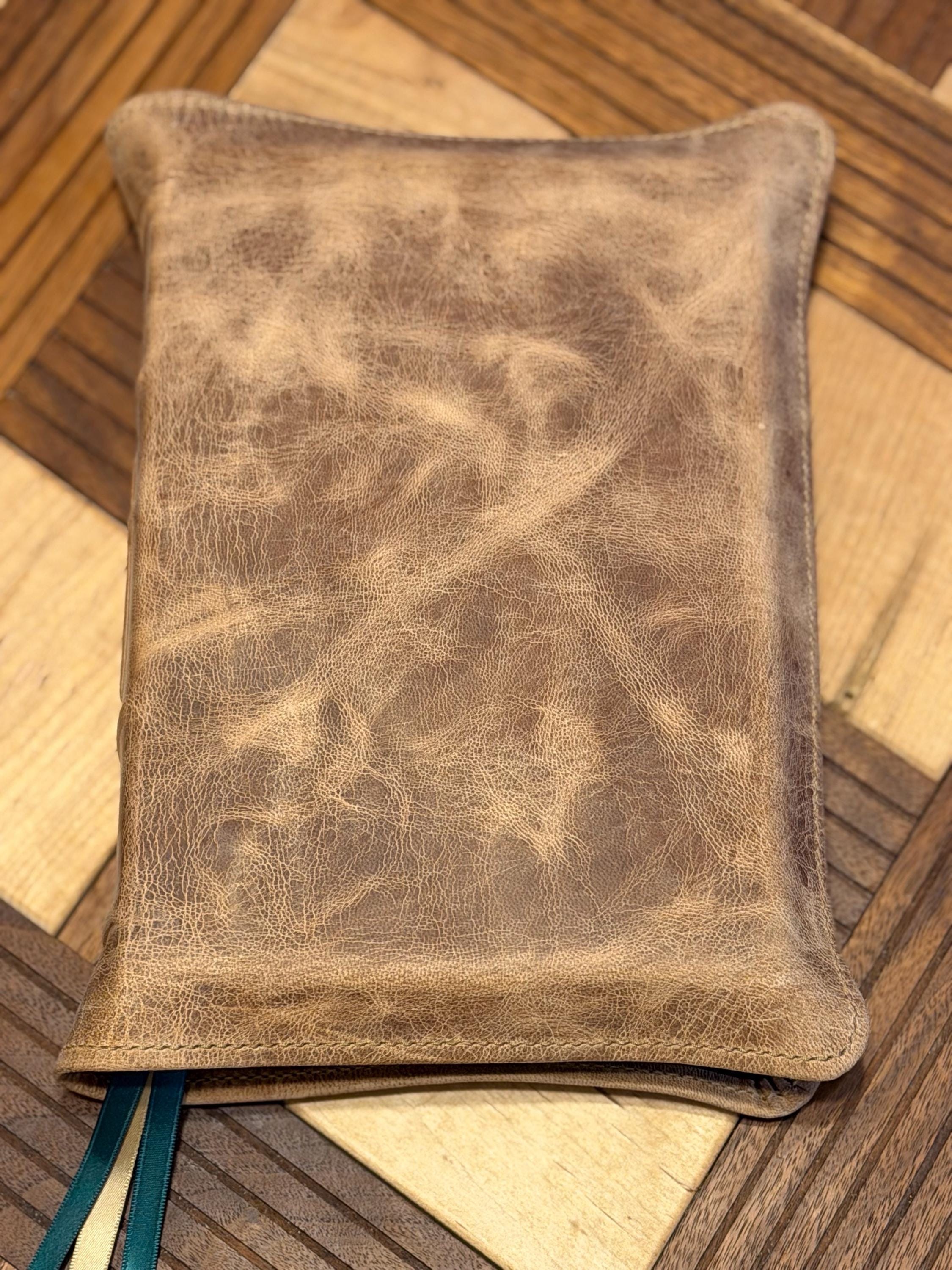
A Bible is more than a book. It's often a well-worn treasury of prayers, notes, promises, memories, and the record of a life spent seeking God.

If you have a treasured Bible that deserves to be preserved with excellence, I am honored to recommend Melissa of MooseWorks Bible.

Melissa's work is marked by beautiful craftsmanship, thoughtful detail most would miss, and genuine kindness. She doesn't simply repair Bibles. She helps preserve the Story they carry.

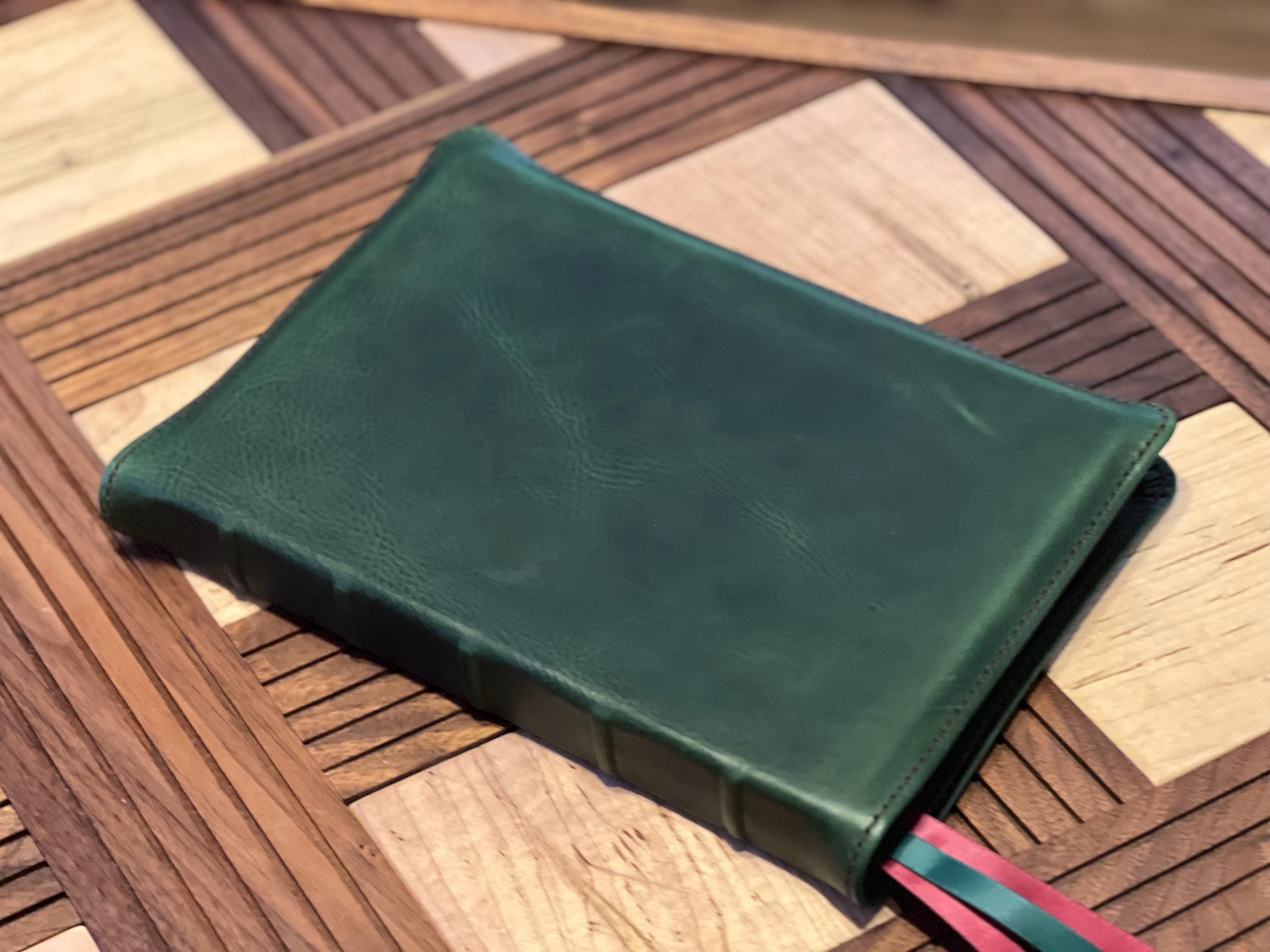
These photos don't do her Master-worthy work justice... See and Feel for yourself.
Visit MooseWorks Bible today:
Click HERE to contact MooseWorks Bibles
https://www.etsy.com/shop/MooseworksBibles
© 2026 Dr. Shawn M. Greener. All Rights Reserved.
True Word, Faith for LIFE!
STUDY GUIDE
Why Am I Still Limping?
Primary Passage:
Genesis 32:1 through Genesis 36:43
Summary:
Genesis 32 through 36 traces Jacob’s movement back into the land, back toward Esau, back to Bethel, and deeper into covenant formation. This section is not a clean success story. Jacob obeys God and still feels fear. He prays and still wrestles. He receives a new name and still limps. He reconciles with Esau, but the family remains fragile. His household experiences trauma and moral chaos in Genesis 34. God then calls him back to Bethel, where Jacob requires his household to bury foreign gods, purify themselves, and return to worship. Genesis 35 joins covenant reaffirmation with deep grief through the deaths of Deborah, Rachel, and Isaac. Genesis 36 then records Esau’s line, creating a sharp contrast between visible settlement and covenant destiny.
The core teaching is that God often changes the covenant person before He changes the visible circumstance. Jacob’s limp becomes a witness to divine encounter. His return to Bethel becomes a call to bury what cannot travel with covenant obedience. His grief becomes a place where sorrow is acknowledged but not allowed final naming authority. Esau’s apparent stability becomes a warning against measuring faithfulness by visible success.
This passage moves the reader toward biblical shalom, not shallow calm, but ordered life under God, courage with peace, stillness with obedience, and light that changes how a person walks.
Key Hebrew Terms:
1. Yisrael, Israel
The name Israel is linked to Jacob’s wrestling and prevailing with God and with men. In the Bible’s narrative world, a name is not merely a label. It can mark identity, calling, reputation, and transformed destiny. Jacob’s renaming is therefore central to covenant formation. God is not merely improving Jacob’s circumstances. He is reshaping Jacob himself.
2. Peniel or Penuel
Jacob names the place Peniel because he says he has seen God face to face and his life has been preserved. This is a moment of awe, danger, mercy, and transformation. Jacob survives, but he does not leave unchanged.
3. Bethel
Bethel means house of God. Earlier in Genesis, Jacob encountered God there while fleeing. In Genesis 35, God calls him back. But Jacob does not return casually. He commands his household to remove foreign gods, purify themselves, and change garments. Bethel becomes a place of renewed worship and covenant memory.
4. El Bethel
Jacob names the altar El Bethel, God of the house of God. The movement is significant. Jacob is not merely attached to a sacred location. He now worships the God who met him there. Mature worship does not confuse the place with the Presence.
5. Shalom
Shalom is often translated peace, but its meaning reaches deeper than a calm feeling. It speaks of wholeness, completeness, welfare, restoration, and life rightly ordered under God. In this study, shalom means ordered life under the reign, mercy, and truth of God.
Context and Exegesis:
Genesis 32 begins with Jacob moving toward the land after leaving Laban. The covenant promise is still active, but the road home requires Jacob to face Esau. Esau represents more than a sibling conflict. He represents Jacob’s past, Jacob’s deception, and consequences Jacob cannot control.
Jacob’s fear is explicit. The Bible does not hide it. He is greatly afraid and distressed. This matters because fear is not treated as proof that Jacob has no faith. Rather, the text shows what fear does when it is brought under covenant prayer. Jacob remembers God’s command and promise. His prayer appeals to God’s mercy and faithfulness, not to his own worthiness.
The night wrestling scene is the theological center of Genesis 32. Jacob is alone, and a mysterious man wrestles with him until daybreak. The encounter wounds him and blesses him. He receives the name Israel, and he leaves limping. This is not a sentimental victory. It is holy transformation. Jacob’s limp becomes embodied testimony that the God who blesses also breaks self reliance.
In Genesis 33, Jacob meets Esau. Esau’s embrace is unexpected mercy. The brothers weep. Yet the reconciliation is not simplistic. Jacob does not erase history or instantly merge households with Esau. The passage allows readers to hold mercy and wisdom together. Forgiveness can be real without removing discernment.
Genesis 34 is one of the most difficult chapters in Genesis. Dinah is violated, and Simeon and Levi respond with deception and slaughter. The chapter exposes the moral disorder still present within the covenant family. The family of promise does not automatically behave with covenant maturity. This is a sobering reminder that calling does not replace formation. Pain must be handled truthfully, but pain must not be allowed to become lawlessness.
Genesis 35 begins with God calling Jacob back to Bethel. This call comes after chaos. God’s mercy summons Jacob back to worship, memory, and covenant alignment. Jacob’s command to his household is concrete. Put away foreign gods. Purify yourselves. Change garments. These actions reveal that worship requires reordered allegiance. Idols cannot be carried into Bethel as if they are harmless.
Genesis 35 also contains death and grief. Deborah dies. Rachel dies. Isaac dies. Rachel names her son Ben Oni, son of my sorrow. Jacob names him Benjamin, son of the right hand. Jacob does not deny the sorrow of Rachel’s death, but he does not let sorrow possess the child’s future. The text teaches that grief is real, but grief must not become the final authority.
Genesis 36 records Esau’s descendants. This chapter can feel secondary, but it matters in the narrative flow. Esau’s line appears settled, organized, and powerful. Jacob’s household appears slower, messier, and still in formation. The contrast confronts comparison. Visible success is not the same as covenant destiny. God’s promise continues through Jacob, even when Jacob’s life looks less stable.
Today. REAL Life:
Genesis 32 through 36 speaks directly into modern life because many people are still limping. They have obeyed, prayed, returned, forgiven, endured, and kept walking, but the pain remains. This passage teaches that lingering pain is not always proof of failure. Sometimes the limp is evidence that God has touched what self reliance kept protecting.
The modern listener may not be facing Esau, but they may be facing a phone call, a family wound, a diagnosis, financial pressure, shame from the past, or a relationship that cannot be repaired by pretending. Jacob’s story teaches believers to name fear, pray from covenant memory, and take the next faithful step.
The passage also confronts hidden compromise. Jacob’s household had to bury foreign gods before returning to Bethel. Modern idols may not look like ancient household gods, but they still demand loyalty. They can appear as secret messages, addiction, comparison, resentment, pornography, control, self pity, image management, or the need to be admired. The call remains concrete: bury what God told you not to carry.
The passage also speaks to grief. Rachel’s death shows that covenant promise does not exempt God’s people from sorrow. Yet sorrow does not receive final naming authority. Followers of Yeshua are called to bring grief into worship, not to pretend grief is absent.
Finally, Genesis 36 confronts the modern addiction to visible metrics. Esau’s line looks impressive. Jacob’s line looks unfinished. But God’s covenant movement is not measured by speed, image, or platform. Faithfulness is not always visually impressive in the moment.
Questions for your heart:
1. Where are you asking God to remove fear when He is calling you to obey while afraid?
2. What are you still calling wisdom that may actually be fear in religious clothing?
3. What are you still calling private that God is calling an idol?
4. What wound are you tempted to use as permission for bitterness, cruelty, silence, or revenge?
5. Who do you need to forgive without pretending trust has been fully restored?
6. What grief have you kept outside worship because you are afraid to feel it before God?
7. What comparison keeps stealing gratitude from your life?
8. Where are you confusing visible success with covenant faithfulness?
9. What would it look like to return to Bethel this week in one concrete act?
10. If your limp is evidence that God met you in the dark, how does that change the way you see your pain?
Practical Application:
1. Name the fear.
Write one sentence that begins, “Father, I am afraid of...” Do not polish it. Tell the truth.
2. Pray the promise.
Bring God’s character and covenant faithfulness into the fear. Pray from what is true, not merely from what you feel.
3. Take the next faithful step.
Do not wait until all fear disappears. Obedience often begins while the heart is still trembling.
4. Bury the idol.
Choose one concrete act. Delete the contact. Close the app. Pour out the bottle. Move the device. Tell the truth. Stop the secret conversation. Ask for help.
5. Bless the person you resent.
Pray for them by name. Release revenge. Keep wise boundaries where needed.
6. Bring grief into worship.
Do not deny sorrow. Bring it to God honestly. Let grief speak, but do not let grief reign.
7. Stop rehearsing comparison.
Mute the account. Put the phone down. Thank God for what He gave someone else. Return to your assignment.
8. Walk toward shalom.
Ask, “What would ordered life under God look like today?” Then do that one thing.
Think on this...
Genesis 32 through 36 does not teach that covenant life is painless. It teaches that God is faithful in the pain. Jacob is afraid, but God is faithful. Jacob wrestles, but God blesses. Jacob limps, but Jacob walks. Jacob buries idols, returns to worship, grieves deeply, and continues in the covenant story.
The question is not whether you will ever limp.
The question is whether you will keep walking with God.
May Adonai bless you and keep you.
May Adonai make His face shine upon you and show you His grace.
May Adonai lift up His face toward you and give you shalom.

Shalom b’Shem Yeshua, v’shalom aleichem.
Footnotes:
1. Genesis 32:1 through 36:43 provides the narrative frame for Jacob’s return, wrestling, reconciliation with Esau, household crisis, return to Bethel, grief, and the genealogy of Esau.
2. Genesis 32:7 identifies Jacob as greatly afraid and distressed, showing the emotional burden of returning to face Esau.
3. Genesis 32:9 through 12 records Jacob’s covenant prayer, in which he appeals to God’s command, mercy, faithfulness, and promise.
4. Genesis 32:22 through 32 records Jacob’s wrestling, hip injury, blessing, renaming as Israel, and limp.
5. Genesis 33:1 through 11 records Jacob and Esau’s emotional reconciliation.
6. Genesis 34 records Dinah’s violation and the violent retaliation of Simeon and Levi.
7. Genesis 35:1 through 7 records God’s command to return to Bethel and Jacob’s instruction to remove foreign gods, purify the household, and change garments.
8. Genesis 35:16 through 20 records Rachel’s death and the naming of Ben Oni and Benjamin.
9. Genesis 36 records Esau’s descendants, chiefs, clans, kings, and settlements, creating a narrative contrast with Jacob’s still developing covenant line.
10. The Hebrew concept of shalom includes peace, welfare, wholeness, completeness, and rightly ordered life under God.
Bibliography:
Alter, Robert. The Hebrew Bible: A Translation with Commentary. New York: W. W. Norton, 2019.
Heiser, Michael S. The Unseen Realm: Recovering the Supernatural Worldview of the Bible. Bellingham, WA: Lexham Press, 2015.
Keener, Craig S., John H. Walton, and Clinton E. Arnold, eds. NIV Cultural Backgrounds Study Bible. Grand Rapids: Zondervan, 2016.
Moen, Skip. Guardian Angel: What You Must Know About God’s Design for Women. Tacoma, WA: At God’s Table, 2010.
Sarna, Nahum M. Genesis. The JPS Torah Commentary. Philadelphia: Jewish Publication Society, 1989.
Stern, David H., ed. Complete Jewish Study Bible. Peabody, MA: Hendrickson Publishers, 2016.
Walton, John H. Ancient Near Eastern Thought and the Old Testament: Introducing the Conceptual World of the Hebrew Bible. Second edition. Grand Rapids: Baker Academic, 2018.
Wenham, Gordon J. Genesis 16 through 50. Word Biblical Commentary, Volume 2. Dallas: Word Books, 1994.
© 2026 Dr. Shawn M. Greener. All Rights Reserved.
True Word, Faith for LIFE!

Author / Host / Theologian/Ret. SlamDancer
I am just a beggar who found Bread, helping other hungry beggars to find Him too. My life has certainly been complex and I and my halo has many dents. Heschel said; "Something Sacred hangs in the balance of every moment." I live like it. I teach like it.
As a person who survived a fatal 92 mph vs 51 mph head on crash, after dying and re-animating, and surviving several other brushes with death, my perspective is, let's say, unique. I haven't always been a theologian and I'm living REAL life, just like you... I have my hurts, habits and hangups too.
I've learned a few very important things along the way that I'm confident you'll find useful... butter for the Gluten free Bread so to speak.. Oh, you may chuckle or full on snort along the way, but you might also shed a few tears... Faith for LIFE... That's how it happens.
Why Can't I Change? The Ancient Near Eastern Secret to Real Spiritual Transformation