Faith on Trial
WHEN FAITH IS PUT ON TRIAL
What does your life prove when the chapter hurts?
Some chapters in life don't arrive one emotion at a time.
They come mixed.
Joy and pain.
Promise and fallout.
Relief and sorrow.
Answers and ache.
That is one reason this stretch of Genesis feels so real.
It doesn't read like sanitized religion.
It reads like life.
This week in Through the Bible in a Year: Walking the Story of God, we walked through one of the most searching sequences in Abraham’s story. Monday asked the question that many people would rather avoid: if your life were put on trial, would there be enough evidence to convict you as someone who truly belongs to God? Then Genesis 21 through 24 answered that question in flesh and blood, wilderness and mountain, grave and well.
And the answer wasn't shallow.
It never is....
The Bible doesn't tell the Truth cheaply.
Genesis 21 gave us Isaac, the promised son, finally in Sarah’s arms. God kept His word. He did exactly what He said He would do. The laughter that once sounded like weary disbelief became the laughter of fulfilled promise. But the chapter did not stop there, because God’s faithfulness does not mean history disappears. Hagar and Ishmael still went into the wilderness. One room held joy. Another held tears. One promise was blooming while old fallout was still breaking open.
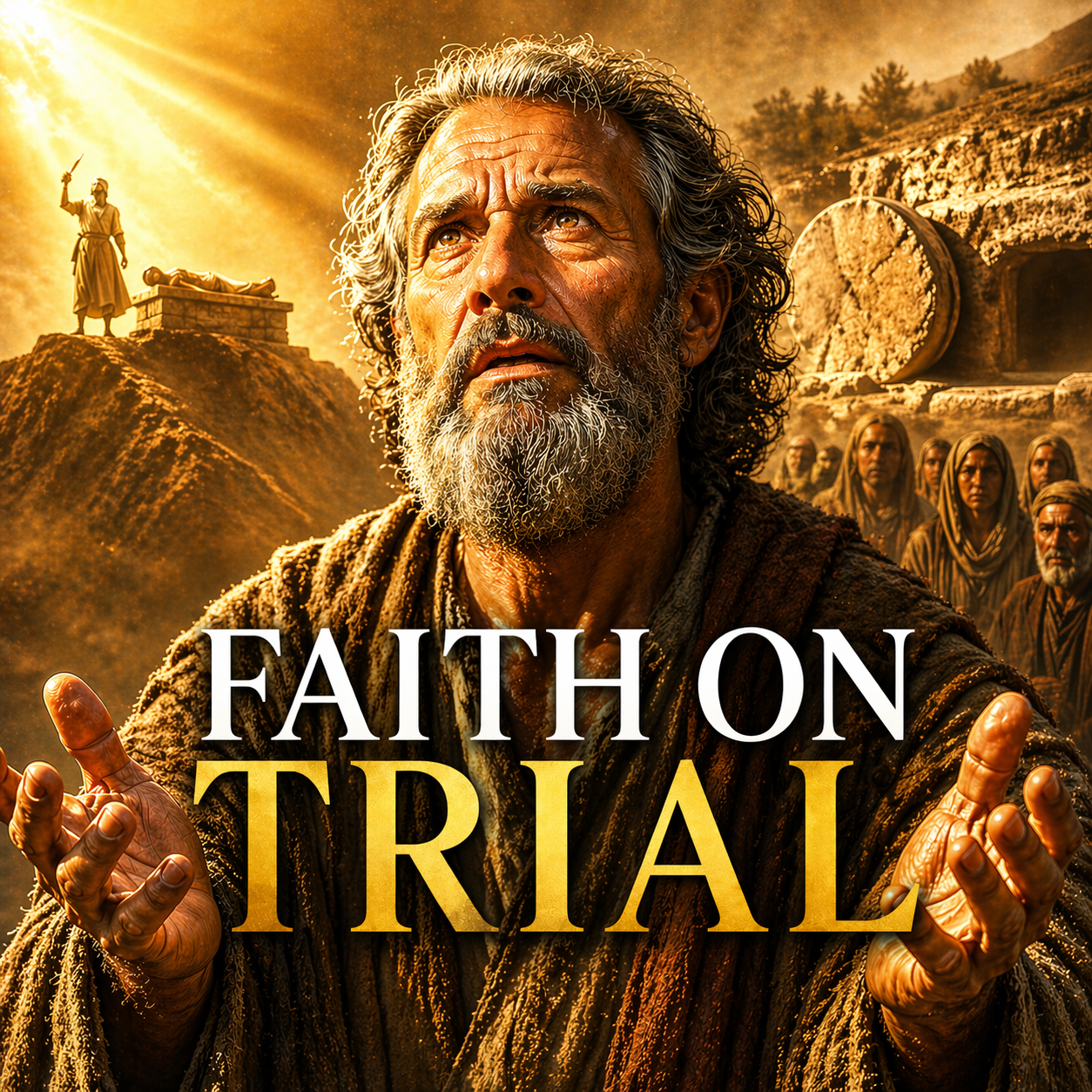
That is a painfully honest word for many of us.
A lot of believers silently assume that if God has really moved, then all the pain should be gone. If the prayer was answered, then the chapter should now feel clean, bright, and easy. But Genesis 21 says real life under God is often more complicated than that. Sometimes the promise arrives right in the middle of consequences created by old fear. Sometimes you can be deeply grateful to God and still grieve what sin, panic, compromise, or delay has done. Sometimes blessing and heartbreak occupy the same chapter.
That doesn't mean God failed.
It means God is telling the truth about Life.
And even there, in the wilderness, He is still the God who sees, hears, and provides. Hagar’s tears were not invisible. Ishmael’s cry wasn't lost in the desert wind. The well didn't appear because God suddenly noticed them! He opened her eyes to provision that was already there. That may be one of the most comforting truths in this whole week’s reading. Sometimes the problem isn't that God has abandoned us...
Sometimes sorrow has narrowed our sight.
Fear has narrowed our sight.
Exhaustion has narrowed our sight.
But God is still present.
God is still merciful. God is still nearer than panic allows us to believe.
Then Genesis 22 took us up the mountain.
And the question changed from, “Can you trust God in the fallout?” to, “Can you trust God when He touches what you love most?”
Why would God test Abraham like this?
Why would He ask for Isaac, the very son of promise?
Why would He press His hand into the deepest place of attachment?
Because faith isn't proven at the edges of our lives. It is proven at the center.
In the Ancient Near Eastern world, the surrounding nations knew the horror of child sacrifice. Pagan worship was built on fear, appeasement, and blood offered upward to manipulate unstable gods. But Genesis 22 moves in the exact opposite direction! God tests Abraham, yes, but He doesn't reveal Himself as another Molech.
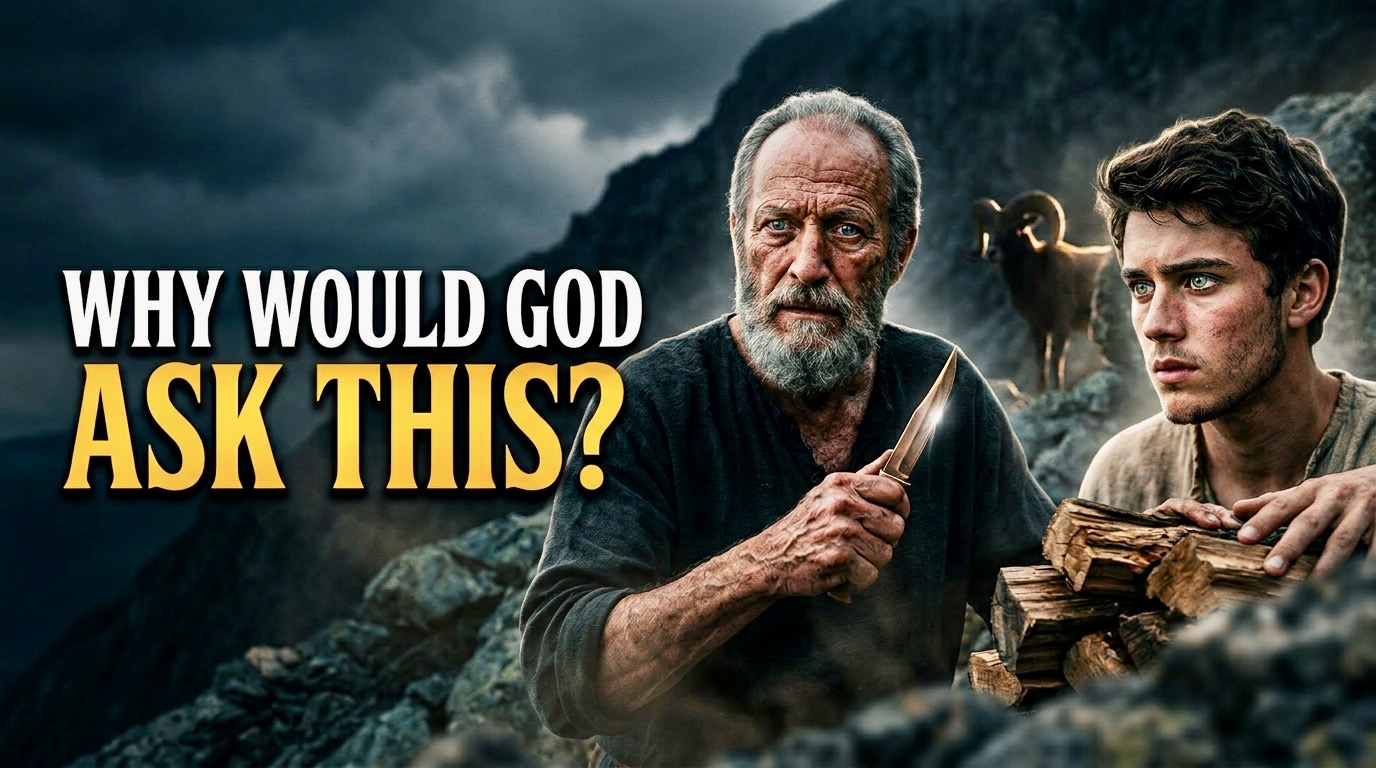
He stops the knife.
He provides the ram.
He makes clear that the God of Abraham isn't a blood hungry tribal deity. He is the holy God who reveals, refines, confronts idolatry, and provides what man cannot.
That is where this chapter gets very personal.
Most of us don't stand on Moriah with literal wood and knife.
But we do carry Isaacs...
A dream.
A relationship.
A child.
A ministry.
A future.
A plan that now feels too precious to be interrupted.
And the hard truth of Genesis 22 is this: even good gifts become dangerous when they quietly take the place only God should hold.
The issue wasn't that Abraham loved Isaac.
The issue was whether Abraham loved Isaac above God.
The issue was whether Abraham trusted the Giver more than the gift.
That is still the issue for us.... Is it not?
And this chapter does not merely wound us. It heals us by showing us where safety really is. What God gives is safest in His hands, not ours. Real faith says, “Lord, this came from You. It belongs first to You. If I must place it back into Your hands, then I will trust Your character more than my fear.”
Genesis 23 then slowed the whole story down at a grave.
Sarah died....
And Abraham wept... Would't you?
That matters more than many people realize.
Real faith isn't numb.
Real faith isn't fake.
Real faith doesn't speak in plastic smiles brushed over fresh sorrow.
The friend of God mourned.
The man of covenant wept.
The bearer of promise felt the ache of loss deeply and openly.... Can you identify with that?
That alone is a healing word for many believers who have been made to feel as if grief is some sort of weakness. It isn't weakness. It's human. It is honest. It is part of love. Grief, the cost of Love...
But Genesis 23 isn't only about grief. It's also about grief with covenant hope still intact.
Why buy a burial place in a land God already promised?
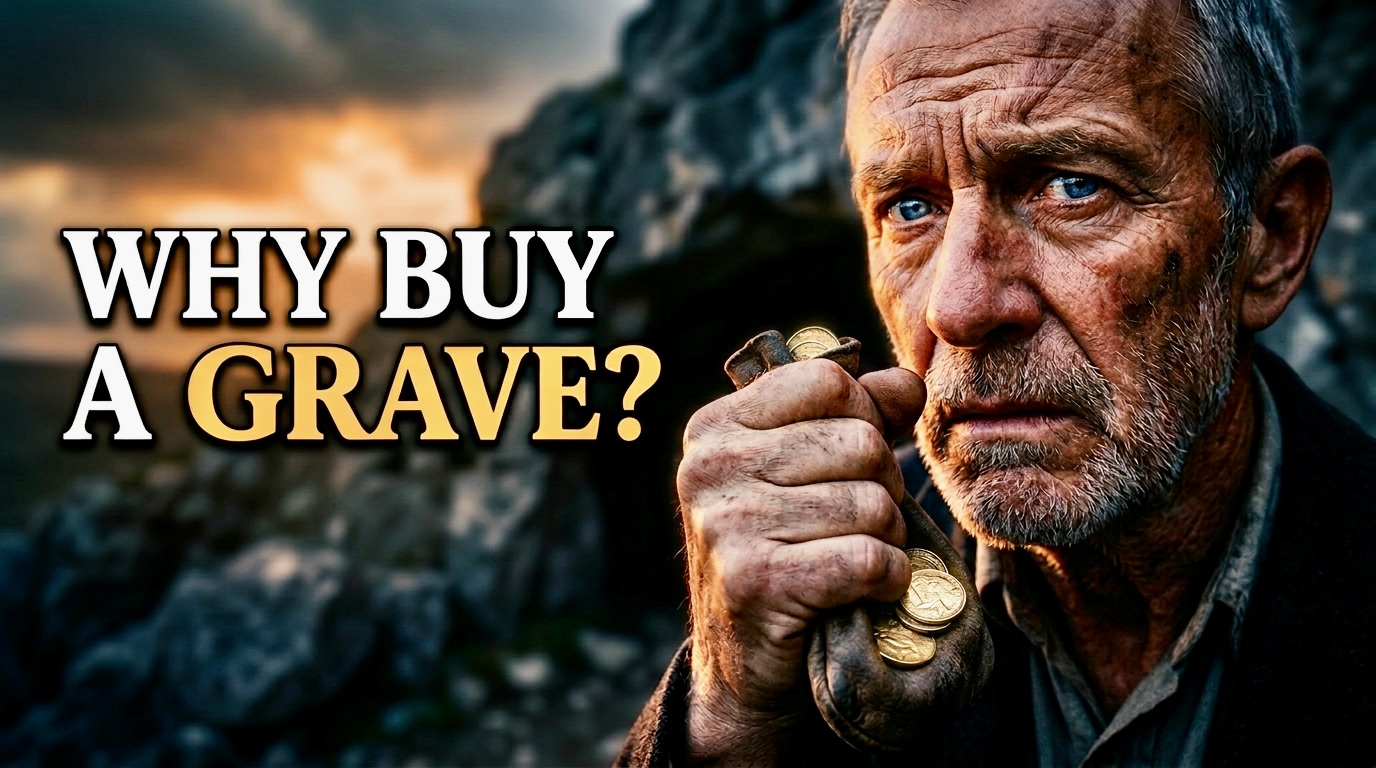
Because faith doesn't wait for full visible possession before it obeys in the place of promise.
In the Ancient Near Eastern world, burial wasn't merely practical. It had to do with family identity, land, inheritance, continuity, and belonging. Abraham wasn't just finding a place for Sarah’s body. He was making a public covenant claim. He was saying, “We belong here. God’s word still stands here. Even if all I hold in my hand right now is one cave, one field, one sorrow soaked piece of ground, I will still act as though God meant what He said.”
That's mature faith.
Not loud faith.
Not performative faith.
Concrete obedience in pain.
Covenant rootedness in grief.
Tears on the face and silver in the hand.
That chapter exposes how many of us keep delaying obedience until life looks more triumphant. We think faith will become easier once the entire inheritance is visible. But Abraham bought the cave before the land was his. He took the next obedient step before the story looked finished.
Then Genesis 24 turned from burial to future.
Isn't that how life often works?
One chapter is loss.
The next is responsibility.
One day you're mourning.
The next day, something still has to be decided. Life still must be Lived...
Something Sacred hangs in the balance of every moment... Heschel
Isaac is the son of promise. Sarah is gone. Abraham is old. The future must move forward. As it does, and thank God it did...
The Bible spends one of the longest chapters in Genesis on this mission because covenant futures aren't trivial. They cannot be built by panic, chemistry, loneliness, or convenience.
That chapter speaks directly into our age, where and how we are living RIGHT HERE, Right Now...
People make life shaping choices while emotionally flooded, desperate for relief, flattered by attention, ruled by attraction, or terrified of being alone. Then they wonder why the future feels unstable. But Abraham’s servant does something that should sober every one of us.
He prays before he moves.
He seeks God before he interprets events.
He asks not for surface beauty, but for revealed character.
Hospitality. Strength. Generosity. Servant heart. Substance.
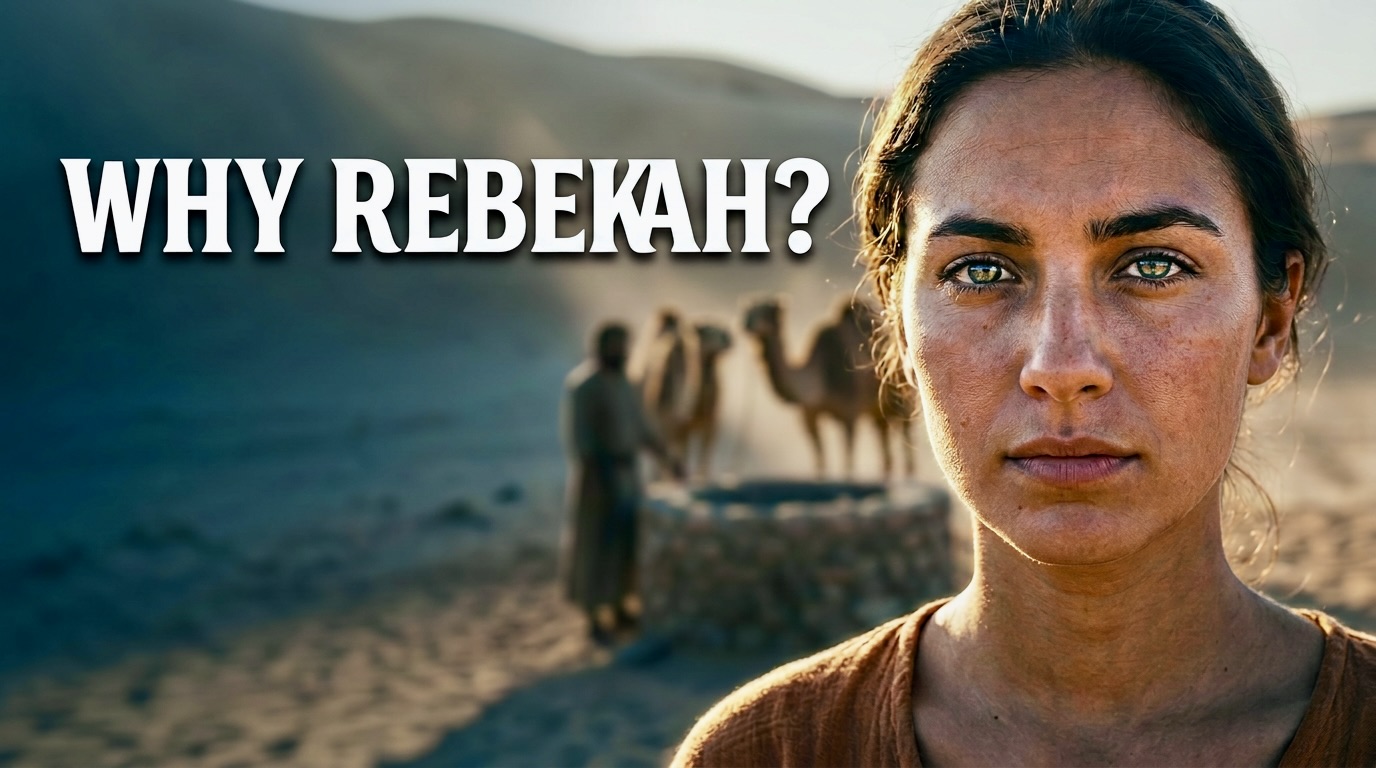
And when Rebekah appears, the servant doesn't rush. He watches in silence. He discerns. He waits. Then he worships.
Prayer.
Patience.
Discernment.
Worship.
Then movement.
That is biblical wisdom.
Not passivity.
Not hesitation.
Holy restraint that refuses to let the future be built by flesh.
When you place these four chapters together, they create one piercing message...
Real covenant faith is visible not when life is easy, but when life is mixed. When promise and pain occupy the same room. When God touches what you love most. When grief stands where breakthrough was supposed to stand. When the future must be handled prayerfully instead of impulsively.
That circles us back to the question that opened the week...
If your life were put on trial, what would the evidence say?
Would the evidence say that you trusted God only when He made life comfortable?
Or would it show that you trusted Him in the wilderness?
Would it show that you obeyed Him when the gift was on the altar?
Would it show that you rose in grief and still acted like His promise was true?
Would it show that you let prayer shape the future instead of fear?
That's what this week has been about.
Not flawless people.
Faithful people.
Not polished religion.
Visible allegiance.
Not a performance.
A witness.
And perhaps that's exactly what this weary age needs most.
Not more branding.
Not more noise.
Not more polished churchy language.
Witnesses...
People whose REAL lives they live preach even when their hearts are sore.
People who don't worship the gift.
People who don't let panic choose.
People who still obey when only one cave is visible.
People who know how to stand at the well and pray.
People whose evidence shows that they belong to another Kingdom.
So here's the question again....
What chapter feels most like your life right now?
The wilderness?
The mountain?
The grave?
Or the well?
Wherever it is, bring that chapter to God.
He is still the God who keeps His word.
He is still the God who hears the cry.
He is still the God who provides on the mountain.
He is still the God whose promise stands in the field of grief.
He is still the God who quietly goes before you and guides the future.
And if He is still that God, then you can still trust Him here.
Shalom b’Shem Yeshua.
Shalom Aleikum.

© 2026 Dr. Shawn M. Greener. All Rights Reserved.
True Word, Faith for LIFE!
The Bible Rebinder I Mentioned on the Podcast
This is one of the three Bibles Melissa of MooseWorks Bible restored for me, beautifully rebound with a rugged new cover and exceptional attention to detail.

A Bible is more than a book. It is often a treasury of prayers, notes, promises, memories, and the record of a life spent seeking God.
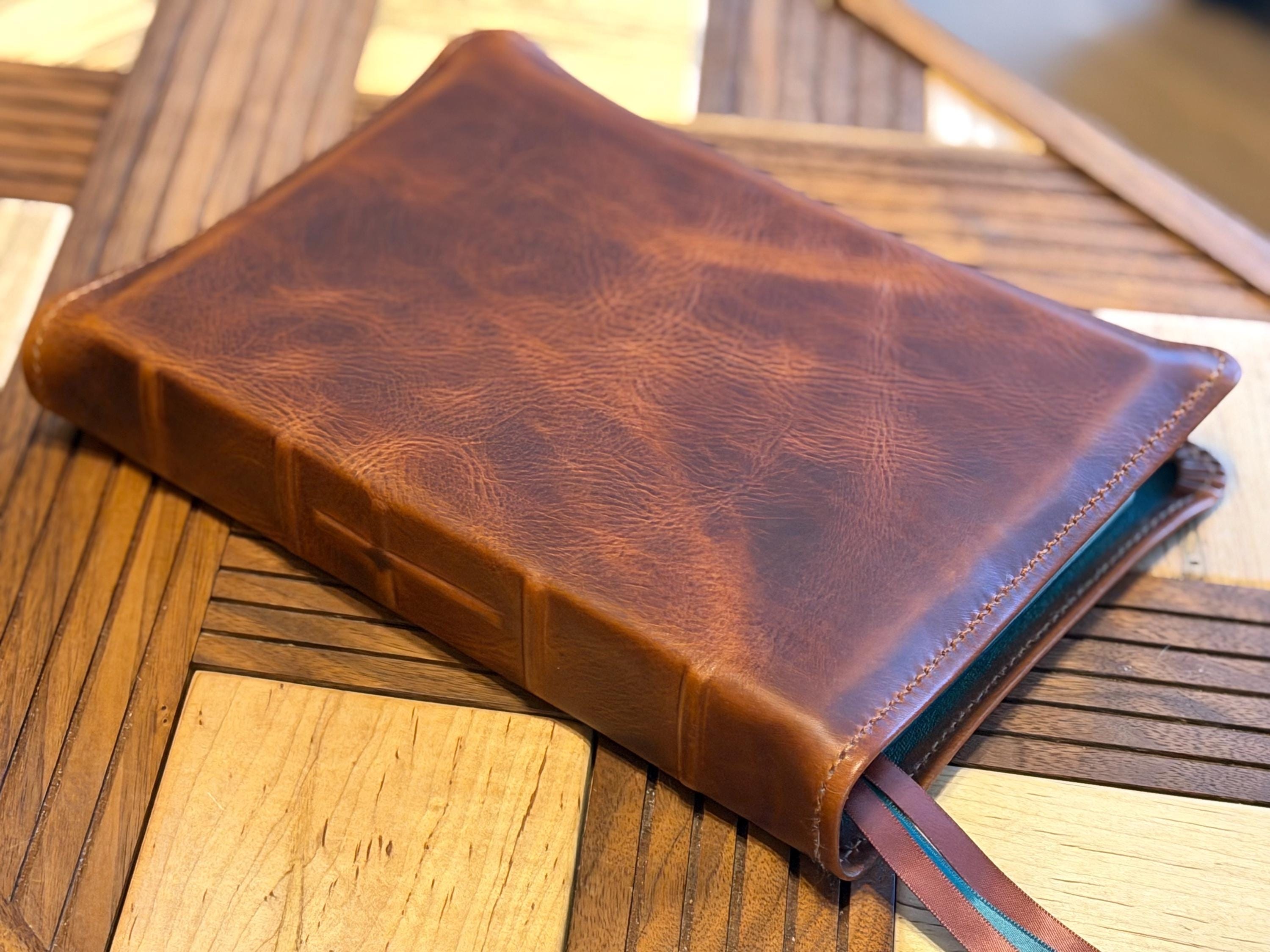
If you have a treasured Bible that deserves to be preserved with excellence, I am honored to recommend Melissa of MooseWorks Bible.
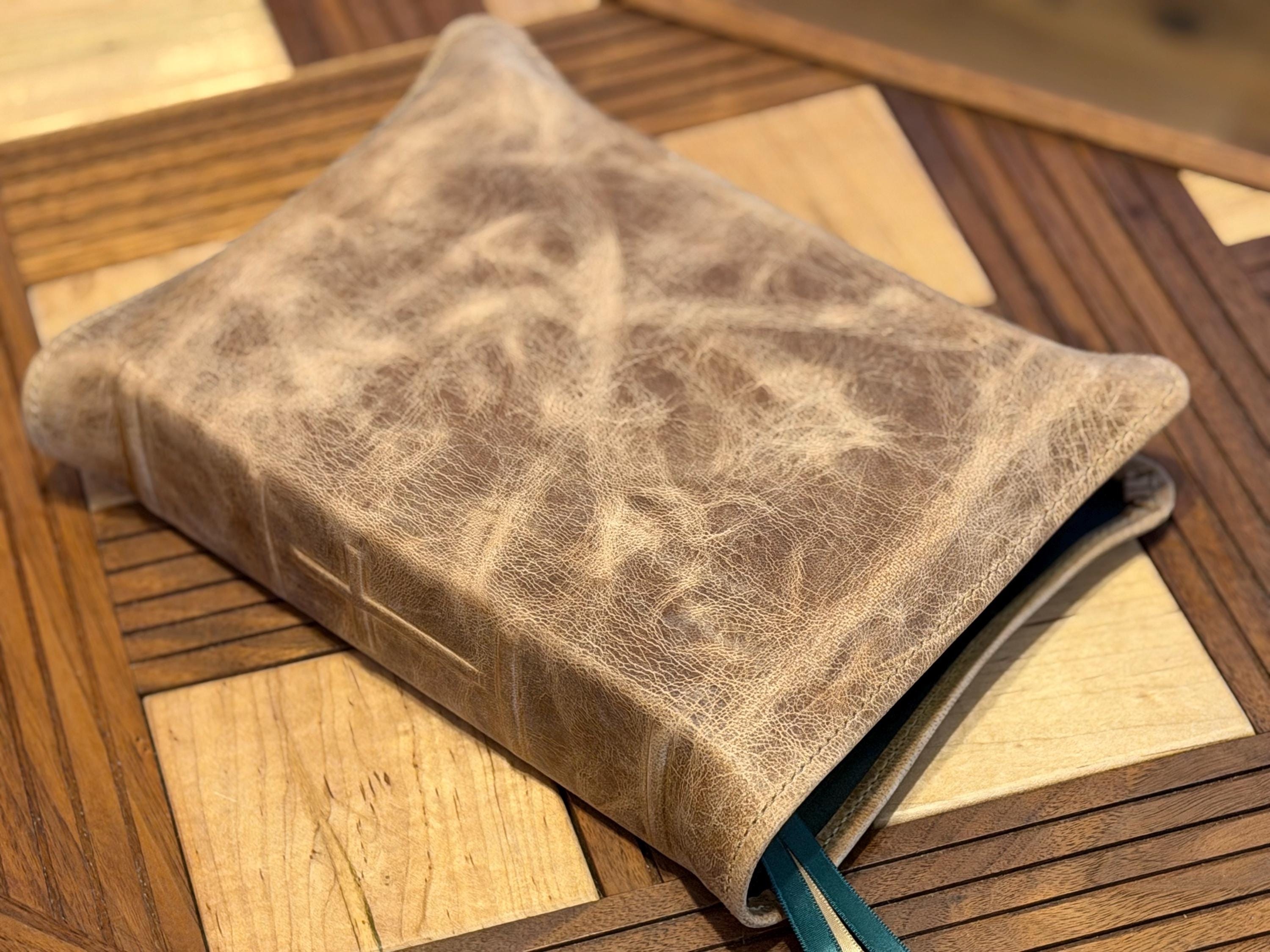
Her work is marked by beautiful craftsmanship, thoughtful detail, and genuine kindness. She does not simply repair Bibles. She helps preserve the story they carry.
Visit MooseWorks Bible today:
Click HERE to contact MooseWorks Bibless
© 2026 Dr. Shawn M. Greener. All Rights Reserved.
True Word, Faith for LIFE!
STUDY GUIDE
WHEN FAITH IS PUT ON TRIAL
Sunday Summary and Deepening Study Guide
Summary
This week’s readings and Monday’s opening message formed one sustained covenant argument. “The Inescapable Conversation” asked whether there would be enough evidence in a believer’s life to convict them as a true follower of the Way. Genesis 21 through 24 then answered that question through lived, painful, embodied faith. In Genesis 21, God fulfilled His promise to Sarah, yet the chapter also held the sorrow of Hagar and Ishmael in the wilderness. In Genesis 22, God tested Abraham at the point of deepest love and revealed Himself as the One who provides. In Genesis 23, Abraham mourned Sarah and purchased a burial place, taking a public step of covenant faith in land not yet fully possessed. In Genesis 24, Abraham’s servant sought God’s guidance before moving Isaac’s future forward, showing that covenant futures are to be shaped by prayer, discernment, and character rather than urgency or appetite. Together these chapters teach that real faith becomes visible in mixed and costly chapters, not merely in clean and triumphant ones.1
Key Terms
Faith / Trust
Biblical faith in this section is not vague optimism. It is covenant rooted trust in the character of God, especially when His promises are not yet fully visible or when obedience feels severe.2
Promise
The promise to Abraham and Sarah is not abstract. It is embodied in Isaac and tied to land, seed, blessing, and the future of redemptive history.3
Test
In Genesis 22, God “tests” Abraham. The point is not temptation into evil, but exposure, proving, and refinement. The test reveals what Abraham truly fears and trusts.4
Provide
The language of divine provision in Genesis 22 culminates in the naming of the place where God intervenes with the ram. Provision here is not shallow convenience but covenant mercy in the place of highest cost.5
Sojourner and Foreigner
Abraham’s self description in Genesis 23 captures the tension of the covenant life. He truly belongs to the land by promise, yet he does not yet possess it in fullness.6
Hesed
The covenant loyalty and steadfast love of God stand behind Genesis 24 even when the word itself is not the only focus. God’s active faithfulness is seen in providential guidance, timing, and continuity.7
Context and Exegesis
- Genesis 21, Promise and Pain in the Same Chapter
Genesis 21 opens with emphatic covenant language. “The Lord visited Sarah as he had said, and the Lord did to Sarah as he had promised.”8 The text intentionally underscores divine faithfulness. Isaac’s birth is not biological luck or delayed human ingenuity. It is the direct result of the Lord’s fidelity to His word.
Yet the same chapter includes the expulsion of Hagar and Ishmael. This is one of the reasons Genesis reads so truthfully. The arrival of promise does not erase the effects of earlier flesh driven attempts to secure what only God could give. Sarah’s earlier plan in Genesis 16 had generated a household fracture that did not vanish simply because Isaac had now been born.9
This chapter reveals a crucial theological tension. Covenant election is real, and Isaac is clearly marked as the son through whom the promise will proceed.10 At the same time, Hagar and Ishmael are not forgotten. The God who narrows the line of redemptive promise is still the God who hears the cry in the wilderness.11 The opening of Hagar’s eyes to the well is especially important. The text does not stress that God created something from nothing at that moment, but that He enabled perception of provision already present. This offers a profound pastoral truth. Human sorrow can narrow vision, but divine mercy opens eyes.12
- Genesis 22, Tested Love and Divine Provision
Genesis 22 begins by stating clearly that God “tested Abraham.”13 This matters because it frames the entire narrative. The God of Israel is not tempting Abraham to evil. Rather, He is refining, proving, and revealing Abraham’s fear of God and the substance of Abraham’s trust.
ANE context is significant here. Child sacrifice was known in the wider ancient world, especially in pagan settings where deities were approached through appeasement and terror.14 Genesis 22 does not endorse that framework. It begins with shocking language but moves decisively away from pagan logic. God stops the sacrifice. He provides the ram. He demonstrates that He is not like the bloodthirsty gods of the nations.
The repeated language, “your son, your only son, whom you love,” highlights the emotional center of the test.15 Isaac is not merely a child. He is the promised future made visible. The deeper question is whether Abraham trusts the Giver more than the gift. Theologically, the narrative becomes foundational for later biblical reflection on substitution and divine provision.16 Abraham names the place in light of God’s provision, and the covenant promises are then reaffirmed.17 The test did not destroy the promise. It clarified the kind of faith through which the promise would move.
- Genesis 23, Grief, Burial, and Public Hope
Genesis 23 is often skimmed because of its legal details, but those details are the point. Sarah dies, Abraham mourns, and the text slows down over negotiation, witnesses, price, and transfer. In the ANE world, burial places were deeply bound up with family continuity, land identity, and claims of belonging.18 Abraham’s purchase of Machpelah is not a small practical matter. It is a covenant act in public.
Abraham identifies himself as “a sojourner and foreigner” among the Hittites.19 This phrase captures the “already but not yet” character of the patriarchal life. God has promised the land, yet Abraham holds almost none of it in visible possession. The purchase of the cave therefore becomes an act of embodied faith. He stakes a concrete claim in the place where God has spoken, even in grief.20
The text also refuses false spirituality. Abraham mourns. Tears and covenant hope coexist. That is an important biblical corrective. Faith does not deny pain. It acts through pain. The purchase of the burial site becomes the family’s first permanent foothold in the land and later the burial place of Abraham, Isaac, Rebekah, Jacob, and Leah.21 What begins as sorrow becomes continuity.
- Genesis 24, Prayerful Discernment and Covenant Future
Genesis 24 is one of the longest chapters in Genesis because the future of the covenant line is no side issue. Sarah is gone, Abraham is old, Isaac is the son of promise, and now the future depends on how the next covenant shaping decision is made.22
Abraham’s concern regarding a wife from the Canaanites is not best read as ethnic prejudice. The issue is covenant allegiance, worship, and formation.23 The Canaanite world embodied rival loyalties and rival gods. Abraham’s instruction that Isaac must not return to the old homeland is equally important. “Do not take my son back there” becomes a powerful theological warning against securing the future by retreating into what is merely familiar.24
The servant’s conduct is exemplary. He prays first. He asks for a sign that will reveal character, not merely appearance.25 Rebekah’s generosity in watering both the servant and the camels signals labor, hospitality, initiative, and strength. After her response, the servant does not rush. He watches silently, discerns, and then worships.26 This movement, prayer, observation, discernment, worship, then action, offers a deeply biblical model for handling decisions that shape covenant future.
Discussion Questions
- Why is it spiritually dangerous to assume that answered prayer should erase all fallout from past fear driven choices?
- In Genesis 21, what does it mean that God both protects the covenant line through Isaac and hears Hagar and Ishmael in the wilderness?
- What “Isaac” in your life would be hardest to place back into God’s hands?
- How does the ANE background of pagan sacrifice sharpen the meaning of Genesis 22?
- Why does Genesis 23 devote so much space to legal and transactional detail? What does that tell us about embodied faith?
- Where in your life are you acting like you need total visible possession before you can obey?
- What are some modern ways people build futures by panic, chemistry, pressure, or convenience rather than prayer and discernment?
- In Genesis 24, why is character a more trustworthy guide than surface attraction or emotional intensity?
- Which image from the week most reflects your current season: wilderness, mountain, grave, or well? Why?
- What evidence in your actual life would support the claim that you belong to the God of Abraham, Isaac, and Jacob?
Practical Application
First, learn to bring mixed chapters honestly to God. Genesis 21 teaches that gratitude and grief can coexist. Some believers feel ashamed that answered prayer did not remove every ache. But biblical maturity does not require emotional simplification. It requires honest surrender.
Second, identify what has become untouchable in your heart. Genesis 22 presses the question of whether the gift has become too central. The issue is not whether something is precious. The issue is whether anything precious has quietly begun to rival God’s place.
Third, obey concretely even in unfinished seasons. Genesis 23 teaches that grief is no excuse for paralysis. The next faithful step may be small, costly, and quiet, but it still matters.
Fourth, refuse to let panic disciple your future. Genesis 24 offers a counter pattern to modern urgency. Pray first. Test for character. Slow down enough to discern. Worship when God’s hand becomes clear.
Fifth, return to the week’s central question often: if your life went on trial, what evidence would it present? Your habits, words, loyalties, choices, generosity, courage, and repentance are all testifying already.27
Conclusion
This week’s material reveals that covenant faithfulness is not mainly demonstrated in polished victories. It becomes visible in mixed chapters. The wilderness reveals whether we still believe God sees. The mountain reveals whether we trust Him above the gift. The grave reveals whether grief will stop obedience. The well reveals whether we will let prayer and discernment shape the future. Together these texts form a searching and hopeful summons. The people of God are not called to appear flawless. They are called to become visible evidence of surrendered allegiance to the One who keeps His word.28
Footnotes
- Genesis 21:1 to 24:67; see also the theological continuity of Abraham’s testing, grief, and covenant household formation across these chapters.
- Hebrews 11:8 to 19 reflects on Abraham’s faith as persevering trust in God’s promise.
- Genesis 17:15 to 21; 21:1 to 7.
- Genesis 22:1; James 1:13 distinguishes divine testing from temptation to evil.
- Genesis 22:13 to 14.
- Genesis 23:4.
- Genesis 24:12, 27.
- Genesis 21:1, ESV.
- Genesis 16:1 to 6; 21:8 to 14.
- Genesis 21:12.
- Genesis 21:17.
- Genesis 21:19.
- Genesis 22:1.
- John H. Walton, Genesis, NIV Application Commentary (Grand Rapids: Zondervan, 2001), on Genesis 22 as ANE contextual confrontation rather than endorsement of pagan sacrificial logic.
- Genesis 22:2.
- Gordon J. Wenham, Genesis 16 to 50, Word Biblical Commentary 2 (Dallas: Word Books, 1994), on Genesis 22 and substitutionary provision.
- Genesis 22:15 to 18.
- Nahum M. Sarna, Genesis, JPS Torah Commentary (Philadelphia: Jewish Publication Society, 1989), on family burial and land identity in Genesis 23.
- Genesis 23:4.
- Victor P. Hamilton, The Book of Genesis, Chapters 18 to 50, New International Commentary on the Old Testament (Grand Rapids: Eerdmans, 1995), on Machpelah as Abraham’s first legal possession in Canaan.
- Genesis 49:29 to 32; 50:13.
- Genesis 24:1 to 9.
- Bruce K. Waltke with Cathi J. Fredericks, Genesis: A Commentary (Grand Rapids: Zondervan, 2001), on covenant concern and the threat of Canaanite religious formation.
- Genesis 24:6 to 8.
- Genesis 24:12 to 14.
- Genesis 24:21, 26 to 27.
- Matthew 7:16 to 20; James 2:14 to 26.
- Michael S. Heiser, The Unseen Realm (Bellingham, WA: Lexham Press, 2015), for broader ANE and biblical worldview framing helpful in reading patriarchal narratives within covenant history.
Bibliography
Hamilton, Victor P. The Book of Genesis, Chapters 18 to 50. New International Commentary on the Old Testament. Grand Rapids: Eerdmans, 1995.
Heiser, Michael S. The Unseen Realm. Bellingham, WA: Lexham Press, 2015.
Holy Bible, English Standard Version. Wheaton, IL: Crossway, 2016.
Sarna, Nahum M. Genesis. JPS Torah Commentary. Philadelphia: Jewish Publication Society, 1989.
The Complete Jewish Study Bible. Peabody, MA: Hendrickson Bibles, 2016.
Waltke, Bruce K., with Cathi J. Fredericks. Genesis: A Commentary. Grand Rapids: Zondervan, 2001.
Walton, John H. Genesis. NIV Application Commentary. Grand Rapids: Zondervan, 2001.
Wenham, Gordon J. Genesis 16 to 50. Word Biblical Commentary 2. Dallas: Word Books, 1994.
Shalom b’Shem Yeshua.
Shalom Aleikum.
© 2026 Dr. Shawn M. Greener. All Rights Reserved.
True Word, Faith for LIFE!

Author / Host / Theologian/Ret. SlamDancer
I am just a beggar who found Bread, helping other hungry beggars to find Him too. My life has certainly been complex and I and my halo has many dents. Heschel said; "Something Sacred hangs in the balance of every moment." I live like it. I teach like it.
As a person who survived a fatal 92 mph vs 51 mph head on crash, after dying and re-animating, and surviving several other brushes with death, my perspective is, let's say, unique. I haven't always been a theologian and I'm living REAL life, just like you... I have my hurts, habits and hangups too.
I've learned a few very important things along the way that I'm confident you'll find useful... butter for the Gluten free Bread so to speak.. Oh, you may chuckle or full on snort along the way, but you might also shed a few tears... Faith for LIFE... That's how it happens.
