When Theology Becomes Violence EP 5
BLOG POST
When Theology Becomes Violence
Truth, Tone, and Fruit
Truth spoken without humility wounds what God intends to heal.
We rarely intend to harm when we speak about God. Most believers who argue online, debate doctrine, or warn about error genuinely believe they are defending truth. Yet history and daily experience both reveal a sobering reality. Theology can be correct in content and still destructive in effect.
In the world of the Bible, speech was never treated as neutral. Words were covenant actions. Blessing created life. Slander fractured community. Torah warned Israel against destructive speech because words could destroy long before any weapon was raised. To speak falsely or carelessly about another person was not merely impolite. It was a violation of covenant loyalty.

That ancient warning feels painfully current today. Spend a few minutes scrolling social media and you will see the same patterns unfolding. Accusations of idolatry. Claims of false gospels. Heated debates about Mary. Arguments over Israel and replacement theology. Strong warnings about deception. Confident declarations about who is right and who is not. Some of these conversations are sincere attempts to pursue truth. Others reveal something deeper. Fear, pride, and identity protection often hide beneath the language of zeal.
Jesus gave His disciples a remarkably simple measure for discerning authenticity. Fruit. Not confidence. Not volume. Not how many verses someone can quote. Fruit. If our speech consistently produces humility, clarity, and reverence for God, it reflects covenant alignment. If it produces contempt, caricature, or careless certainty, something has already drifted from the heart of biblical faithfulness.
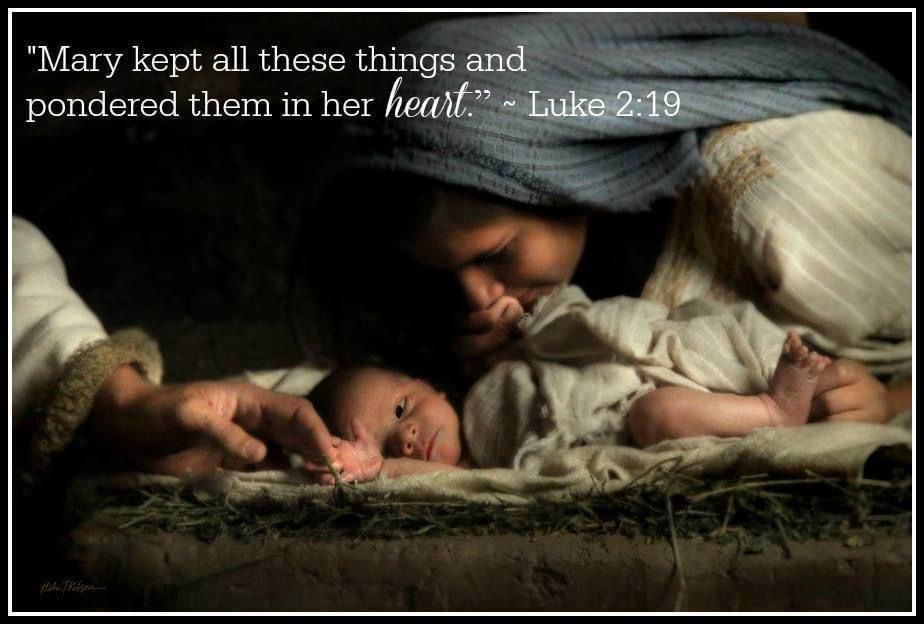
Consider Mary. In her own time she was not a theological symbol but a young Jewish woman living under Roman rule, facing real social risk. Her response to God was costly obedience. The Gospel honors her trust because it reflects covenant loyalty in action. Debate about doctrine may be necessary, but mockery ignores the reverence Scripture itself shows.

Consider Paul’s warning in Romans. Gentile believers were tempted to act as though they had replaced Israel in God’s story. Paul corrects them firmly. They are grafted in, not entitled. The root supports them, not the other way around. Arrogance toward Israel is not theological strength. It is spiritual danger.
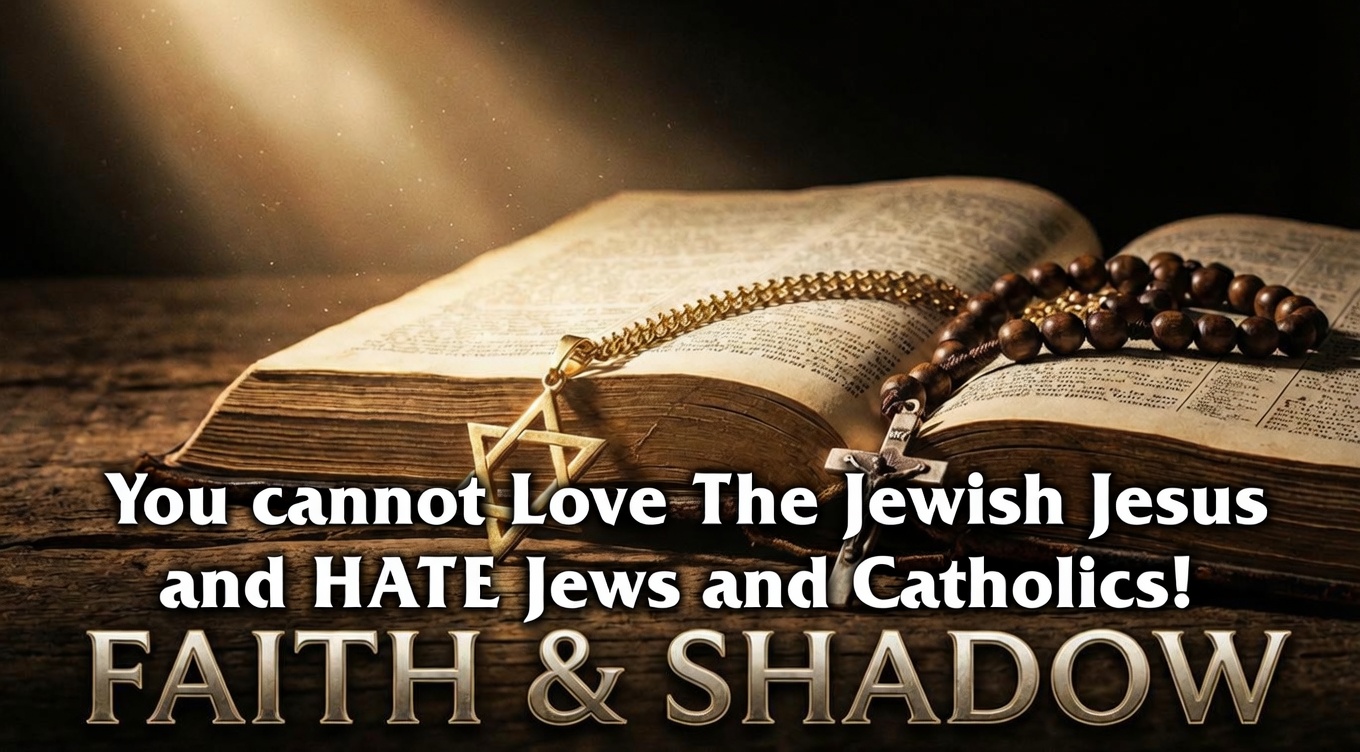
Consider Torah’s command against slander. Leviticus links harmful speech with bloodshed, reminding Israel that words can create the conditions where real harm follows. Scripture treats speech as morally consequential because covenant life depends on trust, truth, and humility.
Faithfulness, then, is not proven by winning arguments or sounding certain. It is proven by reflecting the character of the King. Truth matters deeply. Scripture calls us to guard it carefully. But tone matters also. When truth and humility remain together, theology heals and builds. When pride separates them, theology wounds and divides.
So this week, slow down your speech. Verify what you share. Refuse contempt, even when you disagree strongly. Let your words reflect covenant loyalty to God and genuine love toward His image bearers. Because the goal of theology is not to prove we are right. The goal is to become people who sound like the King we follow.
Take a moment to reflect honestly.
Where have you seen Christian conversations produce more heat than light?
Have you ever realized later that your tone overshadowed your message?
Write your answer in the comments or share this post with someone you trust and discuss it together. Growth often begins with honest reflection.
If this message encouraged or challenged you, don't keep it to yourself. Share it with one person today who cares about truth and the character of Christ. Then watch the full episode of When Theology Becomes Violence on TrueWordFaithforLife.com and join the conversation. Your engagement helps spread faithful, thoughtful teaching to others who need it.
Shalom b’Shem Yeshua
© 2026 Dr. Shawn M. Greener. All Rights Reserved.
True Word, Faith for LIFE!
EPISODE 5 STUDY GUIDE
When Theology Becomes Violence
Mary, Jews, and the Cost of Christian Arrogance
SUMMARY
This session explores how theology becomes spiritually destructive when separated from humility and covenant loyalty. Scripture consistently teaches that speech is morally consequential and that faithfulness is measured by fruit, not volume or certainty. Through the examples of Mary’s obedience, Paul’s warning regarding Israel, and Torah’s command against slander, the episode demonstrates how tone, posture, and identity insecurity can distort otherwise correct doctrine. The goal is not to silence theological disagreement but to restore biblical covenant ethics in how believers speak, teach, and represent the King.
KEY TERMS
Covenant loyalty: Faithfulness expressed through obedience, humility, and relational integrity toward God and others.
Fruit: Observable spiritual outcomes that reveal the true nature of belief and character.
Lashon hara: Hebrew term for harmful or destructive speech, including slander, gossip, or humiliating truth.
Second Temple Judaism: The historical and cultural period shaping the world of Mary, Yeshua, and the early disciples.
Grafted in: Paul’s metaphor describing Gentile believers joining Israel’s covenant story by faith rather than replacing it.
PRIMARY TEXTS SIDE BY SIDE
Matthew 7:16–17
LEB
By their fruits you will recognize them. Grapes are not gathered from thornbushes, or figs from thistles, are they? In the same way, every good tree produces good fruit, but the rotten tree produces bad fruit.
CJSB
You will recognize them by their fruit. Can people pick grapes from thornbushes or figs from thistles? Likewise, every healthy tree produces good fruit, but an unhealthy tree produces bad fruit.Luke 1:38
LEB
Behold, the female slave of the Lord; let it happen to me according to your word.
CJSB
I am the servant of ADONAI; may it happen to me as you have said.Romans 11:18–20
LEB
Do not boast over the branches. If you boast, remember you do not support the root, but the root supports you… Do not be arrogant, but fear.
CJSB
Do not boast as if you were better than the branches… you keep your place only because of trust… Don’t be arrogant; on the contrary, be terrified.Leviticus 19:16
LEB
You shall not go around as a slanderer among your people… I am Yahweh.
CJSB
Do not go around spreading slander among your people… I am ADONAI.
CONTEXT AND EXEGESIS
Matthew 7:16–17
Yeshua speaks within the Sermon on the Mount to Jewish disciples living under Roman occupation. In ANE prophetic tradition, false prophets were judged by covenant fruit rather than rhetorical confidence. Fruit refers to lived covenant faithfulness, not merely doctrinal correctness. The passage establishes that tone and outcome reveal authenticity.
Luke 1:38
Mary’s response occurs within Second Temple Jewish honor shame culture. Her acceptance of God’s word risks public disgrace and severe social consequences. Her statement reflects covenant submission language consistent with Israel’s servant tradition. The narrative highlights obedience expressed through trust rather than status.
Romans 11:18–20
Paul writes to a mixed Jewish Gentile assembly in Rome where Gentile believers were tempted toward superiority over Israel. Using the olive tree metaphor, Paul insists Gentiles are grafted into Israel’s covenant story by faith. Arrogance toward Jewish people contradicts covenant identity and invites divine judgment.
Leviticus 19:16
Part of Israel’s holiness code, this instruction links slander directly with covenant violation. ANE culture viewed speech as socially formative and spiritually accountable. By pairing slander with bloodshed, Torah teaches that destructive words can lead to real harm within the community. The phrase “I am Yahweh” grounds the command in covenant authority.
DISCUSSION QUESTIONS
What does Jesus’ emphasis on fruit reveal about how believers should evaluate their own speech?
How does understanding Mary’s historical context change how Christians should speak about her today?
Why does Paul treat arrogance toward Israel as spiritually dangerous?
In what ways does modern online rhetoric reflect violations of Leviticus 19:16?
How can discernment be practiced without slipping into pride or caricature?
PRACTICAL APPLICATION
Examine one recent conversation or post where you expressed theological disagreement. Evaluate the fruit produced. Did it encourage humility, understanding, and truth, or did it produce defensiveness and contempt?
Commit this week to verifying claims before sharing them. If you discover something inaccurate you have repeated, correct it openly.
Practice covenant speech by asking three questions before speaking:
Would I say this to the person directly?
Can I cite the source in context?
Will this produce humility or contempt?
FOOTNOTES
- The Complete Jewish Study Bible emphasizes the Hebraic covenant framework underlying Matthew’s Gospel and its ethical focus on observable fruit.
- Michael S. Heiser, The Unseen Realm, discusses Second Temple Jewish worldview assumptions shaping New Testament theology.
- Skip Moen, Hebraic Thought resources, frequently highlight covenant loyalty as relational obedience rather than abstract belief.
- Torah’s linkage between speech and communal life reflects ANE social structures where honor, shame, and covenant identity were inseparable.
BIBLIOGRAPHY
Complete Jewish Study Bible. Peabody, MA: Hendrickson, 2016.
Lexham English Bible. Bellingham, WA: Lexham Press.
Heiser, Michael S. The Unseen Realm. Bellingham, WA: Lexham Press, 2015.
Moen, Skip. Various Hebraic Thought writings and teachings.
Shalom b’Shem Yeshua
© 2026 Dr. Shawn M. Greener. All Rights Reserved.
True Word, Faith for LIFE!

Author / Host / Theologian
I am just a beggar who found Bread, helping other hungry beggars to find Him too. My life has certainly been complex and I and my halo has many dents. Heschel said; "Something Sacred hangs in the balance of every moment." I live like it. I teach like it.
As a person who survived a fatal 92 mph vs 51 mph head on crash, after dying and re-animating, and surviving several other brushes with death, my perspective is, let's say, unique. I haven't always been a theologian and I'm living REAL life, just like you... I have my hurts, habits and hangups too.
I've learned a few very important things along the way that I'm confident you'll find useful... butter for the Gluten free Bread so to speak.. Oh, you may chuckle or full on snort along the way, but you might also shed a few tears... Faith for LIFE... That's how it happens.

The Stone Was Moved, But Not for Him

